


What Are the First Steps to Becoming a Buddhist?
If you’re drawn to Buddhism and wish to explore it more deeply, you may be wondering about the first steps to becoming a Buddhist. While Buddhism offers a vast range of teachings and practices, starting your journey can be a simple and fulfilling experience. From understanding core teachings to beginning a meditation practice, here’s a guide to help you take your first steps toward becoming a Buddhist and integrating its wisdom into your life.
1. Learn the Basic Teachings of Buddhism
The foundation of Buddhism is based on teachings that address the nature of suffering and provide guidance on leading a compassionate, mindful life. The first step in becoming a Buddhist is familiarizing yourself with these core principles, which will help you understand the path you’re embarking on.
The Buddha’s primary teachings are centered around the Four Noble Truths and the Noble Eightfold Path. The Four Noble Truths explain that suffering exists, has a cause, can be overcome, and that there’s a path leading to its end. The Noble Eightfold Path provides practical guidance on ethical conduct, mental discipline, and wisdom, helping practitioners reduce suffering and cultivate inner peace.
The Five Precepts are another set of ethical guidelines for Buddhists to follow. They include refraining from killing, stealing, lying, sexual misconduct, and intoxication. These precepts serve as a foundation for leading a moral life and are essential for those starting on the Buddhist path.
2. Explore Different Buddhist Schools
Buddhism has various schools and traditions, each with its unique approach to teachings and practice. The main branches include Theravada, Mahayana, and Vajrayana. While all branches follow the core teachings of the Buddha, they may emphasize different aspects of practice.
- Theravada Buddhism focuses on individual enlightenment and is known for its emphasis on meditation and mindfulness.
- Mahayana Buddhism emphasizes compassion and the concept of becoming a bodhisattva, a person dedicated to helping others reach enlightenment.
- Vajrayana Buddhism, also known as Tibetan Buddhism, incorporates elements of ritual, mantra recitation, and visualization, aiming to transform negative emotions into wisdom.
Exploring these different traditions can help you find one that resonates with you. Each school offers valuable teachings and practices, and you may choose to follow one or draw insights from multiple paths.
3. Begin a Meditation Practice
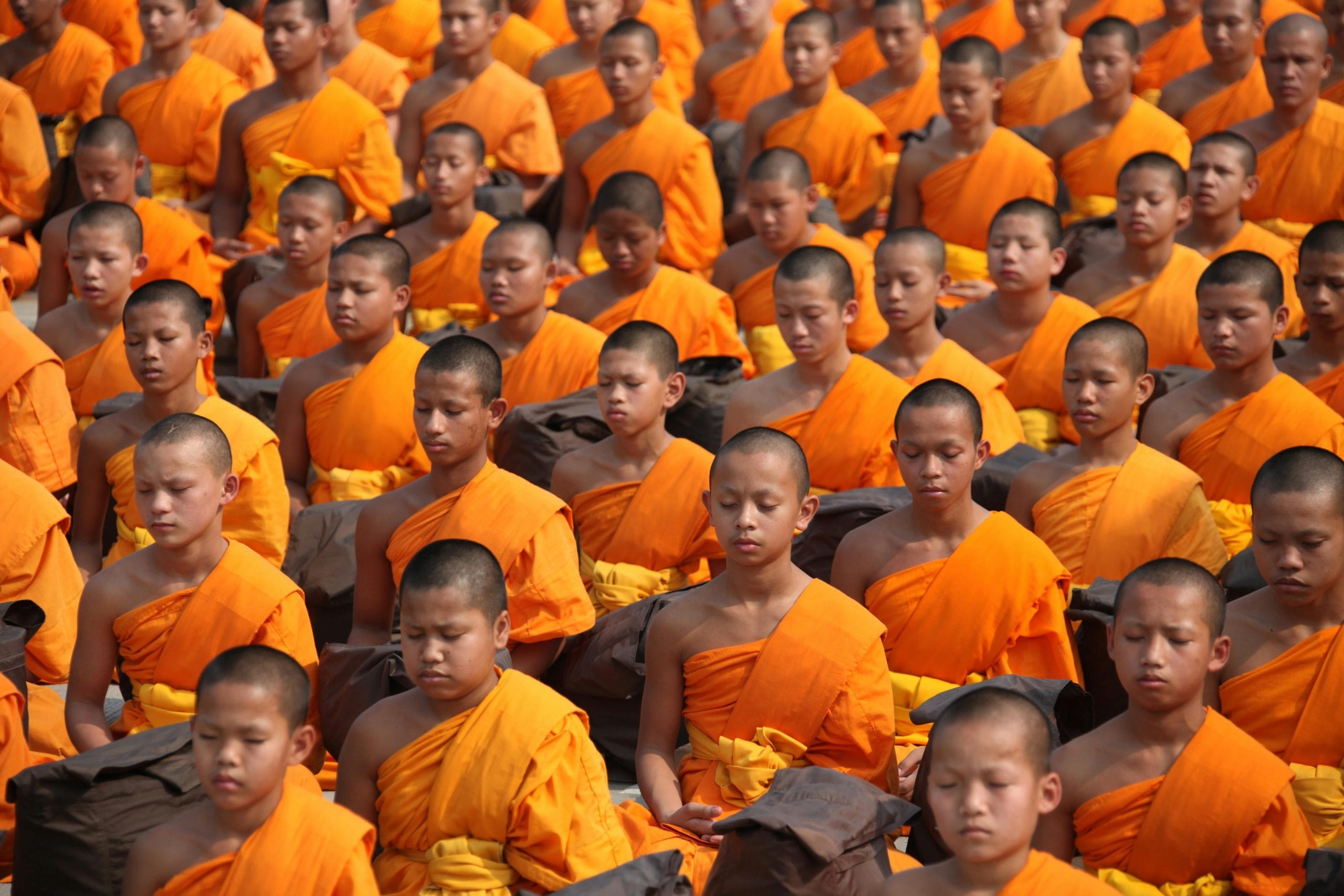
Meditation is central to Buddhist practice and is often one of the first steps for newcomers. Meditation helps develop mindfulness, concentration, and awareness, allowing you to observe your thoughts and emotions without judgment. Starting with a simple breathing meditation, where you focus on the sensation of your breath, is a great way to build a foundation.
As you continue meditating, you can explore different techniques such as loving-kindness meditation (metta), which cultivates compassion, or insight meditation (vipassana), which fosters deep self-awareness. Consistent meditation practice allows you to connect with the present moment, reduce stress, and develop inner peace, which are essential qualities on the Buddhist path.
If you’re new to meditation, consider starting with short, daily sessions and gradually increasing the time as you become more comfortable. You might also find guided meditations helpful, available on apps like Insight Timer, Headspace, or Calm.
4. Study Buddhist Texts
Buddhist scriptures and texts provide deeper insight into the teachings of the Buddha and the practices of Buddhism. For beginners, certain texts and books can offer accessible introductions to Buddhism’s core philosophy.
- The Dhammapada, a collection of the Buddha’s teachings, is a popular choice that provides timeless wisdom in short verses.
- What the Buddha Taught by Walpola Rahula offers a clear and insightful overview of Buddhism’s main concepts.
- The Heart of the Buddha’s Teaching by Thich Nhat Hanh presents an approachable explanation of fundamental Buddhist teachings and practices.
Reading these texts can give you a clearer understanding of the Buddhist path, providing context and inspiration for your practice. Many Buddhist centers and online resources also offer free access to teachings, videos, and articles.
5. Visit a Buddhist Temple or Meditation Center
If possible, visiting a local Buddhist temple or meditation center can be a valuable experience. Temples and centers provide a space to learn directly from experienced practitioners and teachers, and many offer meditation classes, study groups, and Dharma talks (teachings).
Attending a session at a temple or center allows you to connect with others on a similar path and observe the customs, rituals, and community practices associated with Buddhism. If there are no local temples nearby, many centers offer online sessions where you can join teachings and guided meditations from home.
6. Take Refuge in the Three Jewels
One formal step in becoming a Buddhist is taking refuge in the Three Jewels: the Buddha, the Dharma (teachings), and the Sangha (community). Taking refuge is a personal commitment to follow the path of Buddhism and look to the Buddha’s example, the teachings, and the support of the community for guidance.
You don’t need to take formal vows to begin practicing Buddhism, but if you feel ready to commit more deeply, taking refuge can be a meaningful step. Many temples and Buddhist teachers offer refuge ceremonies, or you may choose to take refuge informally in your heart.
7. Practice Mindfulness in Daily Life
Mindfulness is at the heart of Buddhism and can be practiced anywhere, anytime. It involves bringing awareness to your thoughts, actions, and surroundings, helping you stay present and connected to each moment.
In daily life, mindfulness can be practiced through simple acts, like mindful eating, walking, or listening. By being fully present, you become more aware of your inner state, allowing you to respond to situations with compassion and wisdom. Practicing mindfulness in everyday activities is an effective way to bring Buddhist principles into your life, even outside of formal meditation.
8. Connect with a Teacher or Mentor
While it’s possible to start practicing Buddhism on your own, connecting with a teacher or mentor can provide guidance and support. A teacher can answer questions, provide insights, and help you navigate challenges as you progress on the Buddhist path. Many teachers offer group sessions or one-on-one guidance at temples, meditation centers, or through online classes.
Having a teacher is especially valuable if you’re interested in deepening your practice, as they can introduce advanced practices and clarify any doubts. If a teacher isn’t available, connecting with experienced practitioners can also be helpful for mutual support and learning.
9. Integrate Buddhist Ethics into Your Life
Living ethically is essential to Buddhist practice. The Five Precepts—refraining from killing, stealing, lying, sexual misconduct, and intoxication—serve as guidelines for ethical conduct. While these precepts are traditionally followed by Buddhists, they can be approached at your own pace and adapted to fit your life.
Ethical living fosters compassion, mindfulness, and self-discipline, which are crucial to the Buddhist path. As you practice these precepts, you develop a greater sense of responsibility, empathy, and respect for others, enhancing both your personal life and relationships.
Cultivating Patience and Compassion
As you begin your journey into Buddhism, remember that it’s a gradual path that takes time and dedication. Cultivating patience and compassion for yourself is essential. The Buddha’s teachings encourage self-kindness and the development of compassion for all beings, including oneself. Progress may be slow at times, but the journey itself is transformative.
Exploring Buddhism is a deeply personal journey that can bring greater peace, awareness, and meaning into your life. By understanding its core teachings, beginning a meditation practice, and gradually integrating Buddhist values into your daily life, you can experience the benefits of this ancient wisdom. Whether you choose to explore Buddhism informally or take formal steps, each moment of practice brings you closer to a more mindful and compassionate way of being. Buddhism is a path open to all, offering insights and practices that resonate across cultures and lives. Take the first steps with curiosity, an open mind, and a compassionate heart, and discover what this timeless path has to offer.