

Do I Need to Become a Monk or Nun to Practice Buddhism?
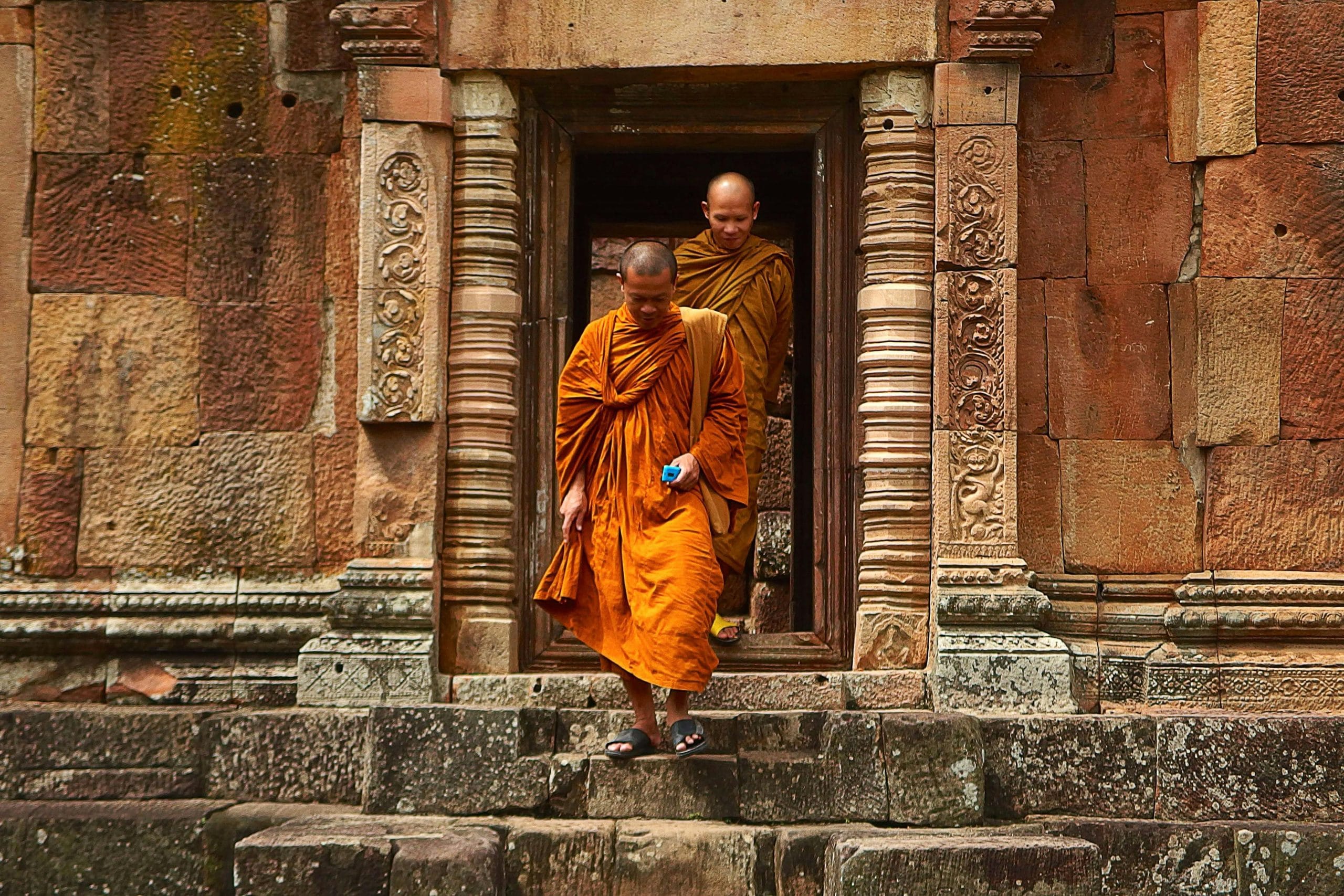
When people first become interested in Buddhism, one question often arises: Do I need to become a monk or nun to practice Buddhism? For many, the image of a Buddhist is often tied to that of a monk in a monastery or a nun in a temple, dressed in robes and leading a life of simplicity and meditation. While monastic life plays a significant role in Buddhism, the answer is no—you do not need to become a monk or nun to practice Buddhism. Many Buddhists around the world lead fulfilling spiritual lives as lay practitioners, following the teachings of the Buddha without renouncing the world. Let’s explore the different ways people can engage with Buddhism and understand why monastic life is just one of many paths within the practice.
The Role of Monks and Nuns in Buddhism
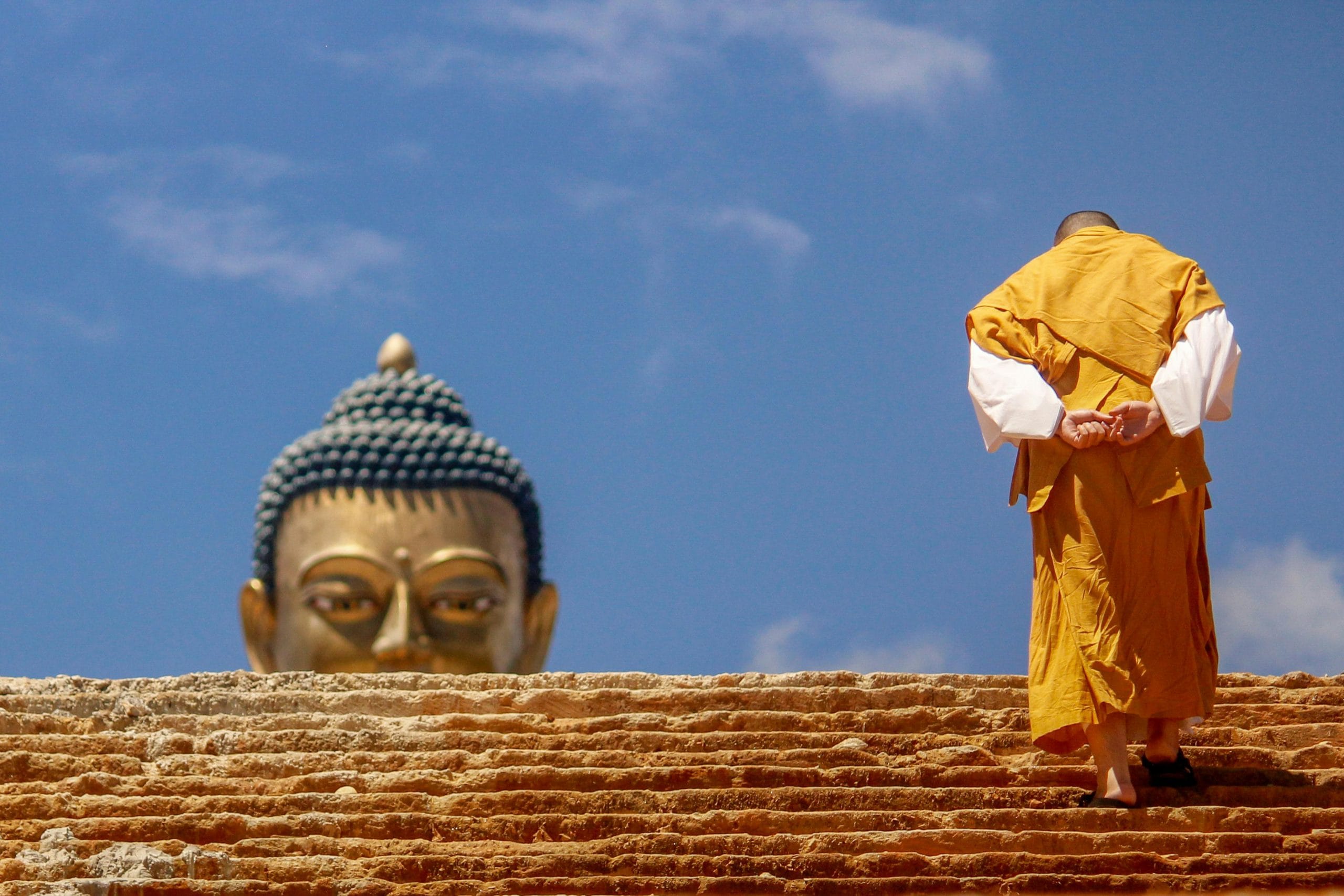
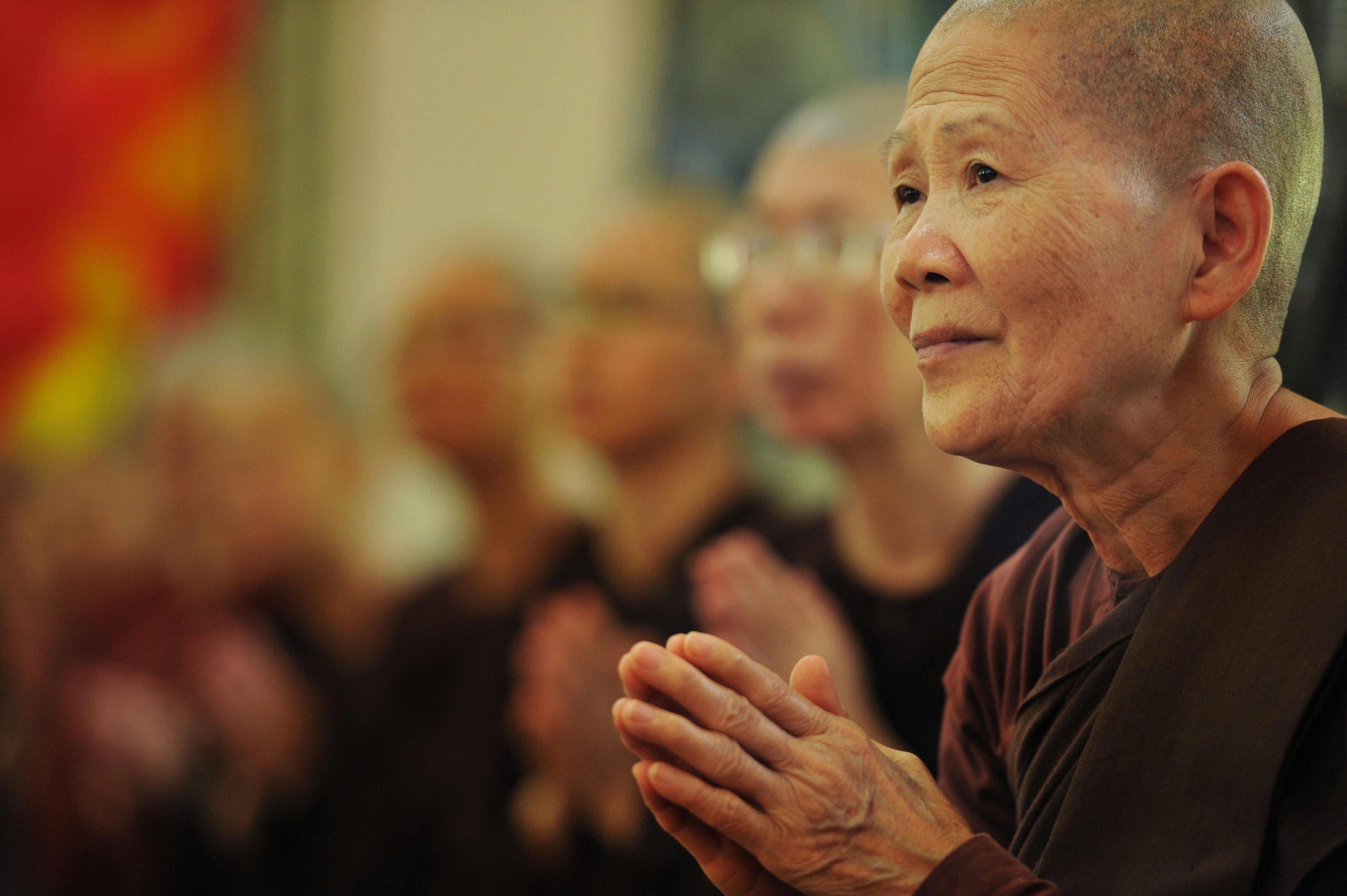
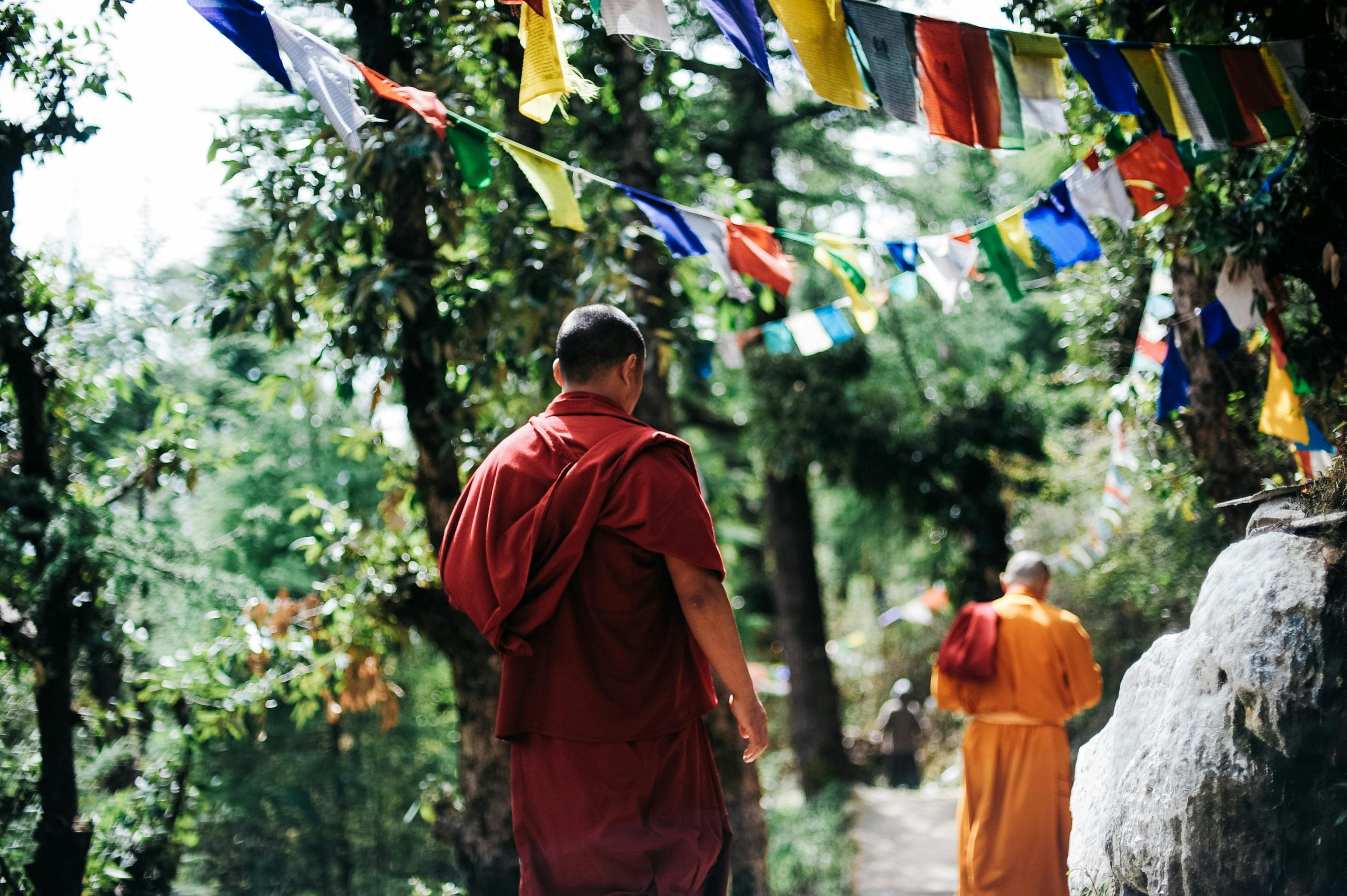
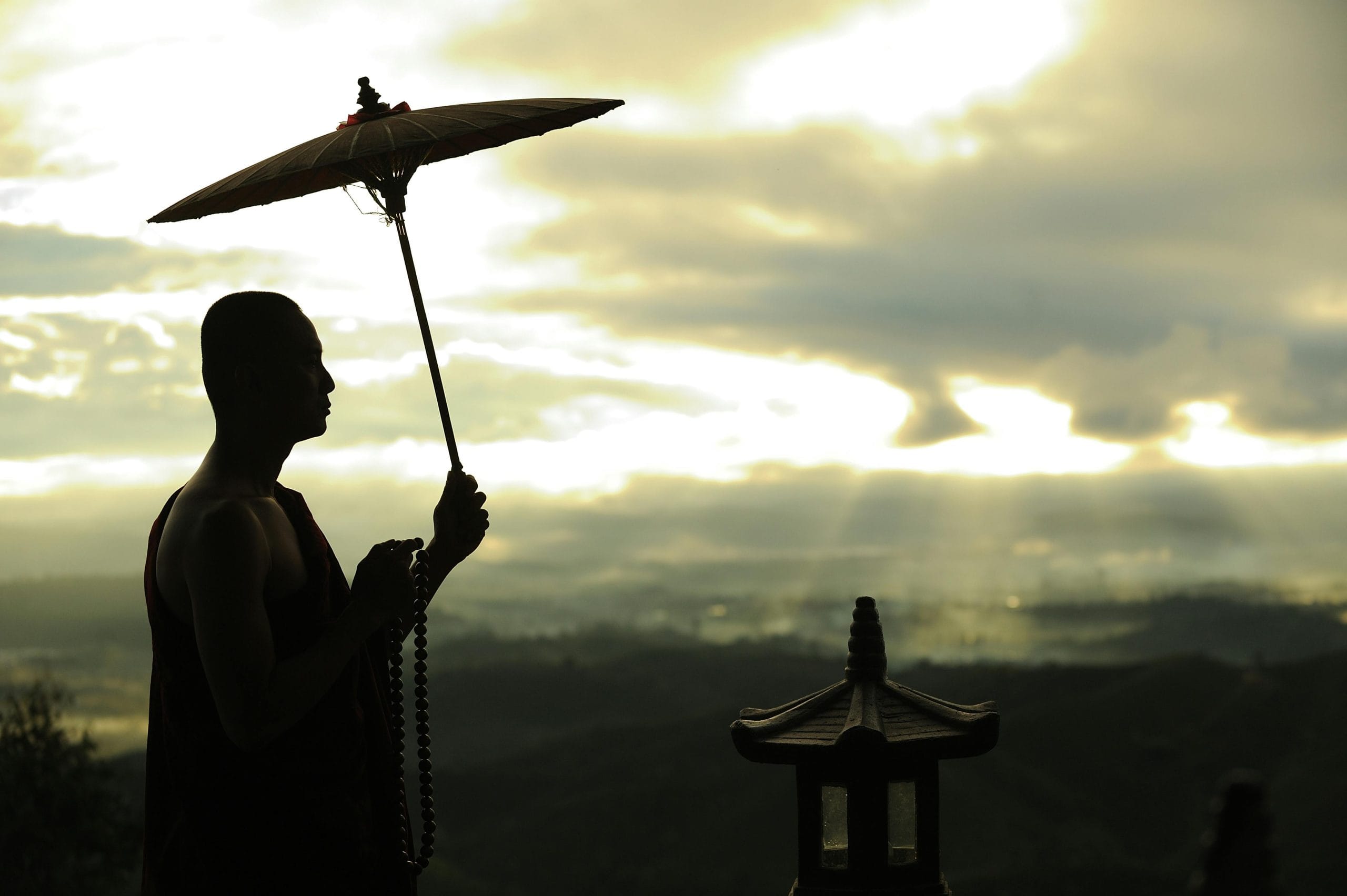
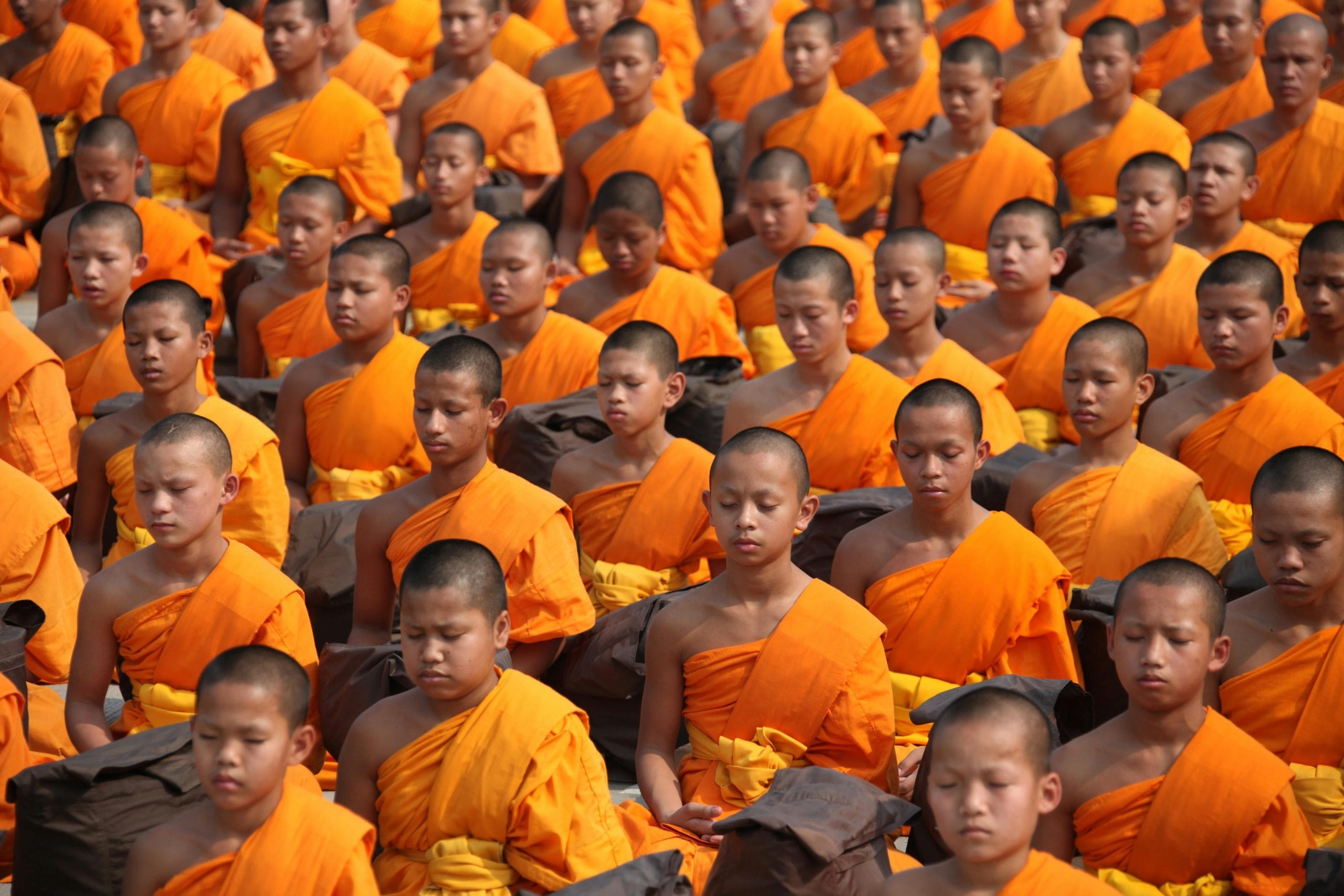
Monks and nuns are highly respected figures in Buddhist communities. They dedicate themselves to practicing the Buddha’s teachings and embody the ethical, mental, and spiritual disciplines taught in Buddhism. The Buddha himself established a monastic order, known as the Sangha, as an essential part of the Buddhist community. Monks and nuns follow a set of precepts, such as celibacy, poverty, and non-violence, which help them detach from worldly distractions and focus on spiritual growth.
The purpose of monastic life is to create an environment where individuals can pursue enlightenment with minimal distraction. Monks and nuns often live in monasteries, where they study scriptures, engage in long periods of meditation, and support laypeople by teaching the Dharma (Buddhist teachings). However, while the monastic path is an important component of Buddhism, it is not a requirement for practicing Buddhist principles.
The Role of Lay Practitioners in Buddhism
Most Buddhists around the world are lay practitioners who lead ordinary lives while following the teachings of the Buddha. Lay practitioners may be students, professionals, parents, or individuals from any walk of life. Instead of renouncing worldly life, they incorporate Buddhist principles and practices into their daily routines, fostering mindfulness, compassion, and ethical conduct.
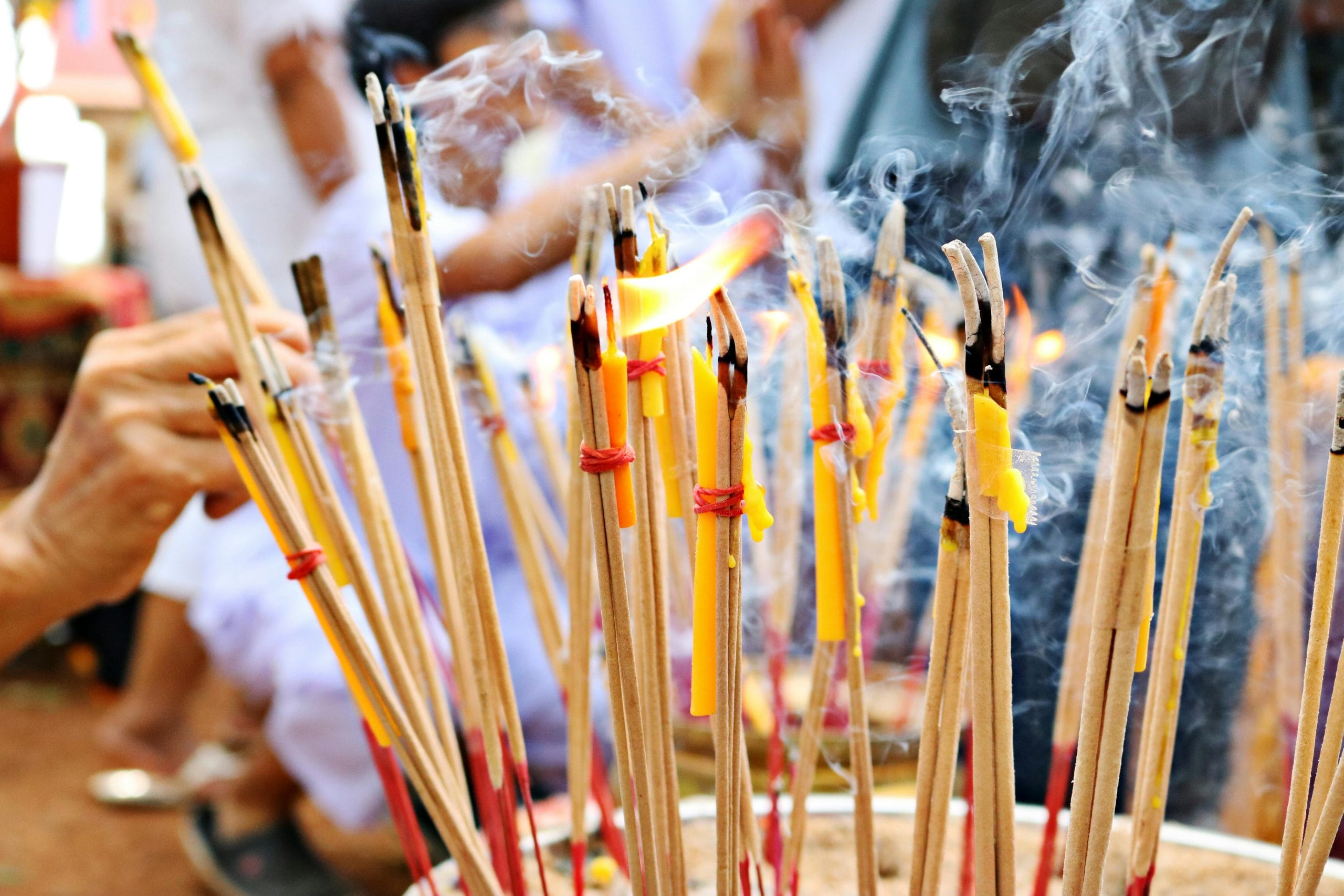
Lay practitioners are encouraged to observe the Five Precepts, which are basic ethical guidelines: refraining from killing, stealing, sexual misconduct, lying, and intoxication. While they may not adhere to the strict rules observed by monks and nuns, lay Buddhists use these guidelines to live ethically and mindfully in society. Many lay practitioners also attend meditation classes, visit temples, and participate in retreats, which provide opportunities for deepening their practice without taking on a monastic role.
Key Buddhist Practices for Laypeople
Many aspects of Buddhism are accessible to anyone interested in the teachings, regardless of lifestyle or background. Here are some of the core practices that lay practitioners can incorporate into their lives:
- Meditation: Meditation is central to Buddhist practice and is open to all. Regular meditation helps cultivate mindfulness, concentration, and insight. Many lay Buddhists engage in daily meditation practices or attend meditation groups for community support and guidance.
- Mindfulness: Practicing mindfulness—remaining fully aware of the present moment—can be done anywhere and at any time. Whether washing dishes, walking, or working, lay practitioners can incorporate mindfulness into their daily lives, helping them to remain calm and aware.
- Compassion and Loving-Kindness: Buddhism emphasizes compassion for all beings. Practicing kindness and compassion, even in small actions, is a way for laypeople to embody Buddhist values in everyday interactions.
- Study of Dharma: Many lay practitioners study Buddhist scriptures and teachings, either by reading books or attending classes at local temples. Understanding the teachings provides a foundation for living in accordance with the Dharma.
- Generosity (Dana): Dana, or generosity, is a central virtue in Buddhism. Lay practitioners often give alms or donate to temples as a way to cultivate selflessness. Acts of generosity create positive karma and strengthen one’s spiritual practice.
The Advantages of Practicing Buddhism as a Layperson
Choosing to follow the Buddha’s teachings as a layperson offers unique advantages, especially for those who want to integrate spirituality with modern life. Practicing as a layperson allows flexibility in adapting Buddhism to your own lifestyle without the strict rules and commitments of monastic life. Here are some key benefits:
- Personal Freedom: Lay practitioners have the freedom to engage with Buddhism on their own terms, deciding which practices resonate most and how to incorporate them into their lives.
- Balancing Spirituality and Daily Life: Practicing Buddhism as a layperson provides a way to bring mindfulness, compassion, and peace into everyday activities. This balance can lead to greater well-being and a sense of purpose in daily life.
- Strengthening Family and Community Bonds: Many Buddhist lay practitioners choose to nurture their spiritual lives within their families and communities, sharing wisdom, supporting each other, and contributing positively to society.
- Accessible to Everyone: Buddhism is inclusive, allowing anyone, regardless of background or religious affiliation, to explore and apply its teachings without needing to become a monk or nun.
Buddhist Communities for Lay Practitioners
Buddhism recognizes the value of community, and lay practitioners can find support and guidance through Buddhist centers, temples, or online groups. Many Buddhist centers offer classes, guided meditation sessions, and retreats tailored for lay practitioners. These communities provide valuable resources for deepening practice and connecting with like-minded people.
For those unable to attend in-person groups, there are countless online communities and resources available. Many Buddhist organizations, such as the Insight Meditation Society or Shambhala, offer virtual classes, retreats, and study materials. Online platforms like YouTube, Dharma Seed, and Buddhist forums also provide access to talks and teachings by experienced practitioners and teachers.
Is There a Need for Formal Initiation?
Unlike some other religions, Buddhism does not require formal initiation to begin practicing. While some people choose to take refuge vows to formally acknowledge their commitment to the Buddha, Dharma, and Sangha, it is not a requirement for practicing Buddhism. Taking refuge is a personal choice, signifying a deeper commitment to the path. However, many people practice Buddhism informally, integrating its teachings into their lives without formal initiation or ceremonies.
Is Monastic Life for You?
Although becoming a monk or nun is not required to practice Buddhism, some individuals feel a strong calling toward monastic life. Monasticism can be a fulfilling path for those seeking a life focused on spiritual development and dedicated to the Buddha’s teachings. For those considering this path, many Buddhist monasteries offer short-term monastic programs or retreats, allowing people to experience monastic life before making a long-term commitment.
Monastic life is demanding and involves strict ethical observances, including celibacy, a vow of poverty, and detachment from worldly concerns. Monks and nuns often spend much of their time studying scriptures, meditating, and teaching. This path requires a strong inner calling and willingness to forego many aspects of conventional life in pursuit of spiritual goals.
Practicing Buddhism does not require renouncing the world or adopting a monastic lifestyle. Whether you are a student, professional, or homemaker, Buddhism offers teachings and practices that can enrich your life, help you find peace, and cultivate a compassionate heart. Lay practitioners can benefit immensely from meditation, mindfulness, and the ethical principles taught by the Buddha, and they can integrate these teachings into their lives in ways that support their unique circumstances.
Buddhism welcomes everyone, and its teachings are accessible to all who seek a path to inner peace, compassion, and wisdom. Whether you choose to engage with Buddhism casually or delve deeply into its teachings, the journey is yours to shape according to your life and aspirations. The beauty of Buddhism lies in its adaptability, allowing you to find meaning and fulfillment without needing to become a monk or nun.