




Healing Through Alternative Medicine: Exploring Natural Remedies for Stress
Healing Through Alternative Medicine: Exploring Natural Remedies for Stress
Stress has become an unavoidable part of modern life. Whether it’s work, relationships, finances, or health concerns, nearly everyone experiences stress at some point. While stress can sometimes motivate us to meet deadlines or overcome challenges, chronic stress can take a toll on both our physical and mental well-being. To combat this, many people are turning to alternative medicine and natural remedies as a way to manage stress without the side effects often associated with conventional pharmaceuticals.
Alternative medicine encompasses a wide range of practices, from herbal treatments and acupuncture to mindfulness and massage therapy. These therapies focus on treating the whole person—mind, body, and spirit—rather than just alleviating symptoms. In this article, we will explore how natural remedies and alternative medicine can help reduce stress and promote healing in a holistic way.
Understanding Stress and Its Effects on the Body
Before delving into natural remedies, it’s important to understand how stress affects the body. When we perceive a threat or challenge, our bodies enter “fight or flight” mode, releasing stress hormones like cortisol and adrenaline. While this response is helpful in short bursts, chronic stress can lead to numerous health problems, including:
- Increased anxiety and depression
- Insomnia and sleep disturbances
- Digestive issues
- Headaches and migraines
- High blood pressure
- Weakened immune system
Chronic stress can also contribute to serious conditions like heart disease, diabetes, and stroke. The good news is that alternative medicine offers a variety of ways to manage stress and improve overall well-being. Let’s explore some of the most effective natural remedies for stress relief.
1. Herbal Remedies for Stress Relief
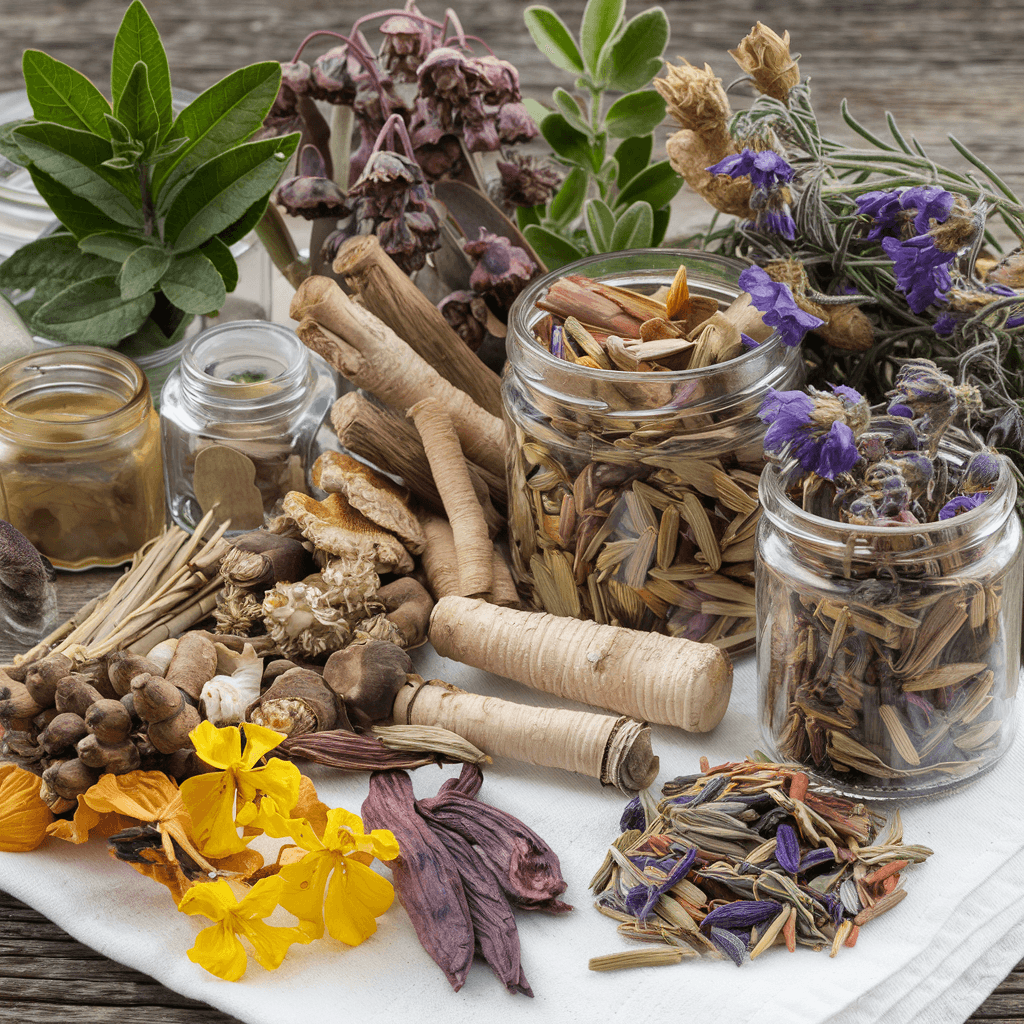
Herbal medicine is one of the oldest forms of alternative healing, and many plants have been traditionally used to combat stress and anxiety. These natural remedies are often preferred for their gentle, calming effects without the side effects associated with pharmaceutical drugs.
Adaptogenic Herbs
Adaptogens are a class of herbs that help the body adapt to stress and regulate its response to external pressures. Some well-known adaptogens include:
- Ashwagandha: An ancient Ayurvedic herb, ashwagandha is known for its ability to reduce cortisol levels and promote a sense of calm. It can improve sleep quality, lower anxiety, and support the body’s resilience to stress.
- Rhodiola Rosea: This herb is commonly used to boost energy and reduce fatigue caused by stress. Rhodiola helps balance the nervous system, improving the body’s ability to cope with stress.
- Holy Basil: Also known as Tulsi, holy basil is considered a sacred herb in Ayurveda. It is believed to help lower stress levels and improve mental clarity by reducing cortisol and supporting the immune system.
Calming Herbs
In addition to adaptogens, several herbs are known for their calming and soothing effects, helping to ease tension and promote relaxation. These include:
- Chamomile: Often consumed as a tea, chamomile has mild sedative properties that can help calm the mind and reduce anxiety. It’s also effective in promoting restful sleep.
- Lavender: Lavender is commonly used in aromatherapy for its calming and mood-enhancing effects. Inhaling lavender oil or using it in massage can reduce anxiety and improve sleep quality.
- Lemon Balm: Known for its gentle calming properties, lemon balm is a member of the mint family. It’s often used to reduce anxiety, improve mood, and support relaxation.
2. Acupuncture: Balancing Energy Flow
Acupuncture is a key component of Traditional Chinese Medicine (TCM) and has been used for thousands of years to treat a wide range of conditions, including stress and anxiety. According to TCM, stress disrupts the natural flow of qi (life energy) in the body, leading to physical and emotional imbalances.
Acupuncture involves inserting thin needles into specific points on the body to restore the flow of qi and balance the body’s energy. By stimulating these points, acupuncture can activate the body’s natural healing processes, reduce stress hormones, and promote relaxation.
How Acupuncture Helps with Stress:
- Reduces cortisol levels: Acupuncture has been shown to lower cortisol levels, helping to calm the body’s stress response.
- Releases endorphins: The insertion of needles stimulates the release of endorphins, the body’s natural painkillers and mood elevators, which create a sense of well-being.
- Regulates the nervous system: Acupuncture helps balance the autonomic nervous system, reducing the intensity of the “fight or flight” response and promoting relaxation.
Many people find acupuncture sessions deeply calming, often leaving them feeling relaxed and refreshed. It can be a powerful tool for managing chronic stress and anxiety when used as part of a holistic treatment plan.
3. Aromatherapy: Healing Through Scent
Aromatherapy is the practice of using essential oils to promote physical and emotional well-being. Each essential oil has unique properties that can have a profound effect on mood and stress levels when inhaled or applied to the skin. Aromatherapy taps into the body’s olfactory system, which is directly linked to the brain’s emotional center, the limbic system.
Essential Oils for Stress Relief:
- Lavender: Lavender is one of the most widely used essential oils for relaxation. Its calming scent can help reduce anxiety, ease tension, and improve sleep.
- Bergamot: Known for its mood-lifting properties, bergamot is a citrusy oil that can help reduce stress and promote a positive mindset.
- Frankincense: Often used in meditation practices, frankincense has a grounding and centering effect that promotes mental clarity and emotional balance.
- Ylang-Ylang: Ylang-ylang has a sweet, floral scent that is known for its sedative and stress-relieving properties. It can help lower blood pressure and calm the nervous system.
Aromatherapy can be practiced by diffusing essential oils in your home, adding them to a warm bath, or applying them to pulse points during a massage. By incorporating these soothing scents into your daily routine, you can create a more relaxed and peaceful environment.
4. Meditation and Mindfulness
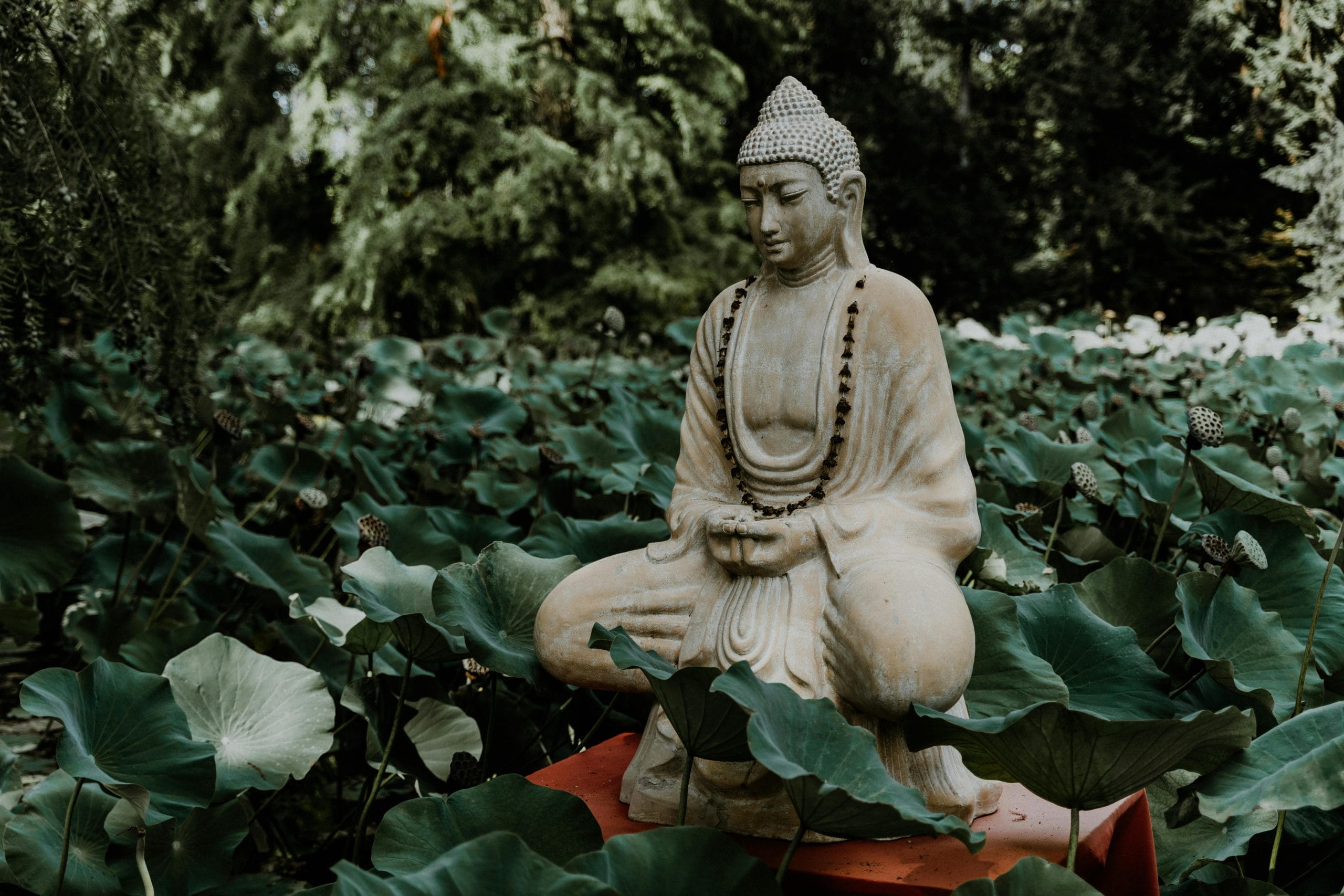
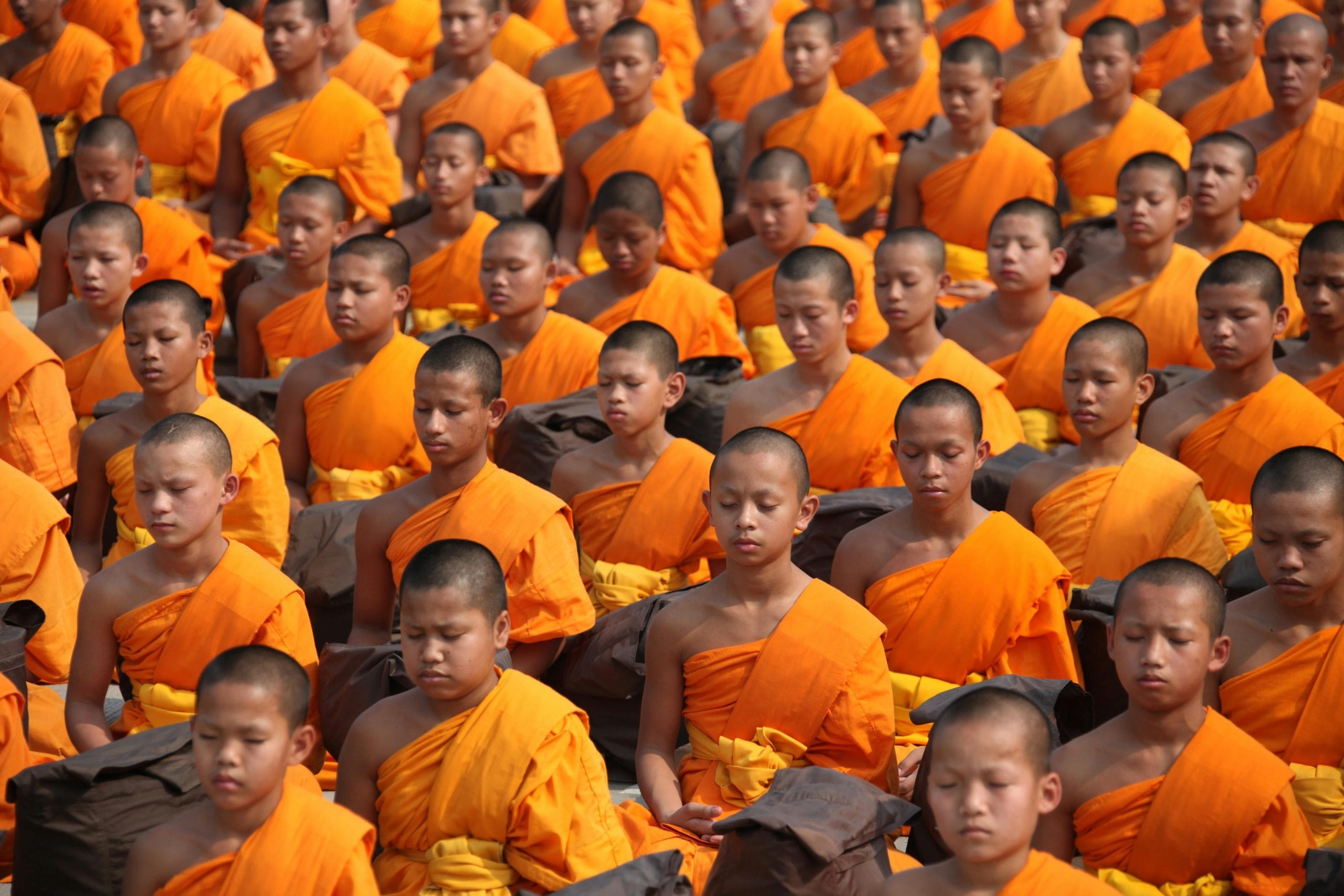
One of the most powerful and accessible forms of stress relief is meditation, a practice rooted in mindfulness and awareness. Meditation helps quiet the mind, reduce negative thought patterns, and bring a sense of peace to your day-to-day life.
Mindfulness meditation involves focusing on the present moment without judgment. By practicing mindfulness, you can cultivate a state of calm and acceptance, allowing you to respond to stress with greater clarity.
Benefits of Meditation for Stress:
- Reduces the “fight or flight” response: Meditation lowers the body’s stress response, helping to reduce the physical symptoms of stress like a racing heart or tense muscles.
- Improves emotional resilience: By regularly practicing mindfulness, you become more aware of your thoughts and feelings, allowing you to manage emotions more effectively.
- Promotes relaxation: Meditation activates the body’s parasympathetic nervous system, which promotes relaxation and healing.
To start a meditation practice, find a quiet space where you can sit comfortably. Close your eyes, focus on your breath, and allow your thoughts to come and go without attachment. Even a few minutes of meditation each day can significantly reduce stress and promote a sense of calm.
5. Yoga: Harmonizing Mind and Body
Yoga is an ancient practice that combines physical postures, breathing exercises, and meditation to promote mental and physical well-being. It is an effective way to reduce stress because it encourages relaxation while also improving physical strength and flexibility.
How Yoga Relieves Stress:
- Encourages mindfulness: Yoga helps you connect with the present moment by focusing on your breath and body movements, promoting mindfulness and reducing mental chatter.
- Promotes relaxation: Many yoga poses, especially restorative poses, help calm the nervous system and reduce stress. Deep breathing practices in yoga also stimulate the parasympathetic nervous system, promoting relaxation.
- Releases tension: The physical movement in yoga helps release tension from the body, especially in areas like the shoulders, neck, and back where stress tends to accumulate.
Incorporating yoga into your routine, even for just a few minutes a day, can help release built-up tension and provide mental clarity.
Conclusion
Alternative medicine offers a wealth of natural remedies for stress, focusing on treating the whole person rather than just the symptoms. Whether you choose to explore herbal treatments, acupuncture, aromatherapy, meditation, or yoga, each of these practices has the potential to reduce stress and promote healing in a gentle, holistic way. By incorporating these remedies into your daily routine, you can cultivate a greater sense of calm and clarity, allowing you to navigate life’s challenges with ease.