





Buddhist Mindfulness Practices for Everyday Calm and Clarity
Buddhist Mindfulness Practices for Everyday Calm and Clarity
In our fast-paced, modern lives, it’s easy to feel overwhelmed by the constant flow of responsibilities, deadlines, and distractions. Finding calm and clarity amidst the chaos is something many people yearn for, and one ancient tradition has been offering a pathway to peace for thousands of years: Buddhism. At the heart of Buddhist teachings is mindfulness, a practice that can transform the way we experience life by cultivating awareness, presence, and serenity.
Mindfulness, in its simplest form, is the art of paying full attention to the present moment, without judgment or distraction. By focusing on what is happening here and now, we can break free from the worries of the past or the anxieties of the future. In this article, we will explore Buddhist mindfulness practices and how they can be applied in everyday life to foster calm and clarity.
What Is Buddhist Mindfulness?
Buddhist mindfulness, or sati in the Pali language, is a key aspect of the Noble Eightfold Path, which outlines the steps toward enlightenment in Buddhism. Mindfulness is about being fully present and engaged in whatever we are doing, whether it’s something as simple as breathing or as complex as making a decision. It involves an attitude of openness, curiosity, and acceptance toward the present moment.
While mindfulness is now widely practiced in secular contexts around the world, its roots are deeply embedded in Buddhist teachings. Mindfulness is more than just a tool for relaxation; it is a spiritual practice that fosters insight, compassion, and wisdom. Through mindfulness, we can observe our thoughts and emotions without getting caught up in them, allowing us to respond to life with greater clarity and calmness.
The Benefits of Mindfulness
Before diving into specific practices, it’s important to understand why mindfulness is so powerful. Numerous scientific studies have shown that mindfulness practice can bring about profound changes in both mental and physical well-being. Some of the key benefits include:
- Reduced Stress and Anxiety: Mindfulness helps us manage stress by bringing our focus to the present moment, allowing us to observe our thoughts without getting carried away by them. This practice can reduce anxiety and promote a sense of peace and stability.
- Improved Emotional Regulation: Mindfulness teaches us to notice our emotions without being overwhelmed by them. This heightened emotional awareness can lead to better self-regulation and a more balanced emotional life.
- Enhanced Focus and Concentration: By training the mind to stay present, mindfulness improves concentration and focus, making it easier to complete tasks and maintain mental clarity.
- Increased Self-Awareness: Mindfulness encourages introspection, allowing us to observe our thought patterns and behaviors more clearly. This self-awareness fosters personal growth and insight.
- Better Relationships: By practicing mindfulness, we become better listeners and more empathetic toward others. Mindfulness helps us approach relationships with compassion and understanding, improving communication and connection.
- Greater Sense of Well-Being: Mindfulness fosters a deep sense of contentment and well-being by helping us appreciate the beauty of the present moment. It encourages gratitude and mindfulness of the simple joys in life.
Key Buddhist Mindfulness Practices for Everyday Life
Incorporating mindfulness into everyday life doesn’t require a drastic overhaul of your routine. Buddhist mindfulness practices can be integrated into daily activities, allowing you to experience calm and clarity throughout your day. Below are some essential mindfulness techniques inspired by Buddhist teachings that you can start practicing today.
1. Mindful Breathing (Anapanasati)
Mindful breathing is one of the foundational practices in Buddhist mindfulness. It involves paying close attention to the breath as it enters and leaves the body. The breath serves as an anchor to the present moment, helping to calm the mind and bring awareness to the here and now.
How to Practice:
- Find a quiet place to sit comfortably, with your back straight.
- Close your eyes and begin to focus on your breath.
- Notice the sensation of the air as it enters your nostrils, fills your lungs, and exits through your mouth or nose.
- If your mind begins to wander (which it naturally will), gently bring your focus back to your breath without judgment.
You can practice mindful breathing for a few minutes at a time, or whenever you feel stressed or overwhelmed. This simple yet powerful practice can bring immediate calm and clarity to your day.
2. Mindful Walking (Kinhin)
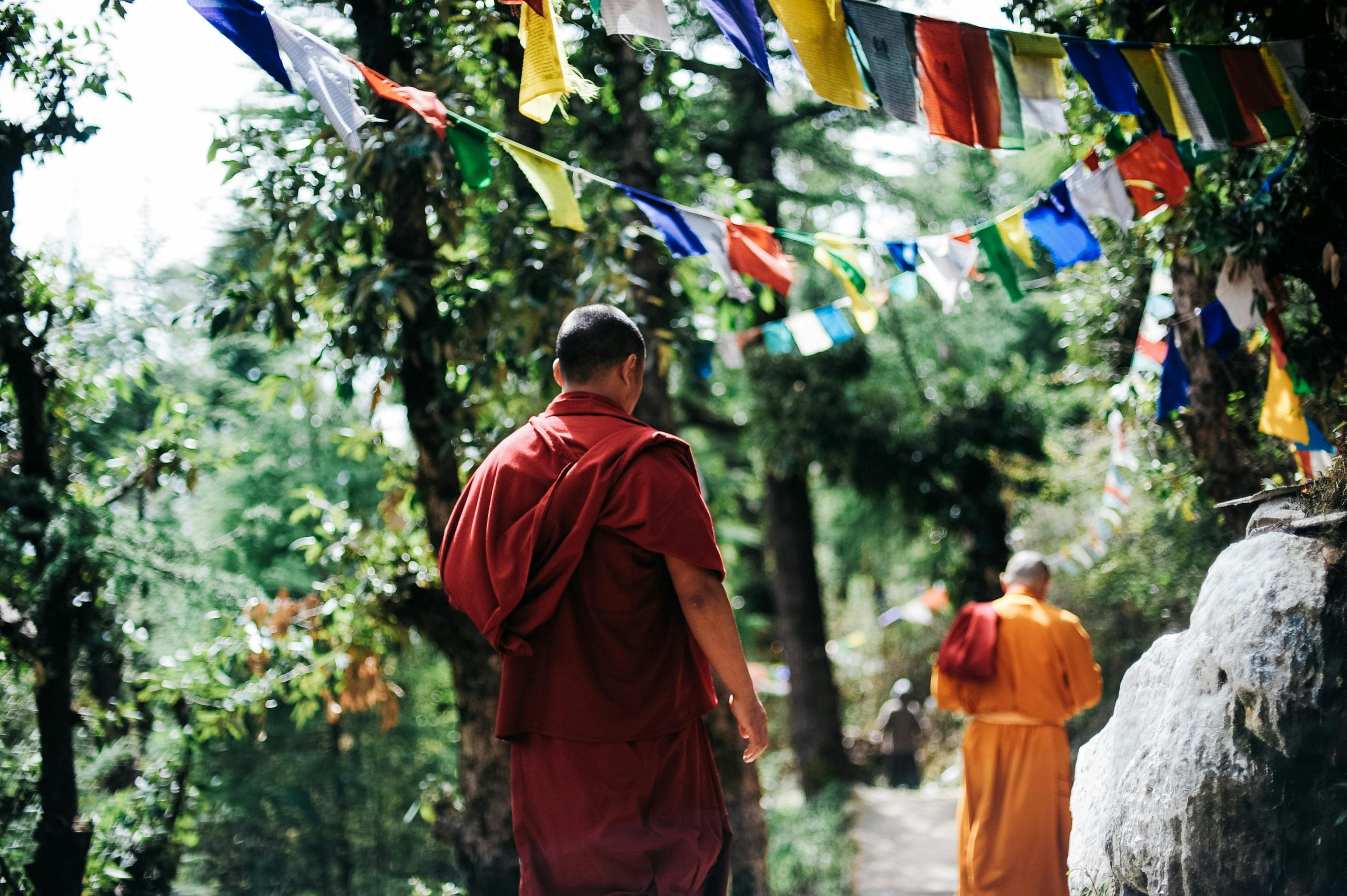
Walking meditation is another powerful mindfulness practice in Buddhism. It involves walking slowly and deliberately while maintaining awareness of each step. This practice is particularly useful if you find sitting meditation challenging or if you want to bring mindfulness into your daily movements.
How to Practice:
- Begin by standing still and taking a few deep breaths, bringing your focus to the present moment.
- Start walking slowly, paying attention to the sensation of your feet touching the ground with each step.
- Notice the movement of your legs, the shifting of your weight, and the rhythm of your steps.
- If your mind starts to wander, gently guide it back to the physical sensations of walking.
Mindful walking can be practiced indoors or outdoors, and it can be as brief or as long as you’d like. Whether you’re walking to work or taking a stroll in nature, this practice helps you stay present and connected to the moment.
3. Mindful Eating
Eating is something we all do, yet it’s often an activity we rush through without much thought. Buddhist mindfulness encourages us to slow down and eat with full awareness. This practice not only brings more enjoyment to meals but also helps us develop a healthier relationship with food.
How to Practice:
- Begin by sitting down and taking a moment to express gratitude for your food.
- As you take your first bite, pay attention to the texture, taste, and smell of the food.
- Chew slowly, savoring each bite and noticing how the flavors unfold.
- Put down your utensils between bites to give yourself time to fully experience the food.
Mindful eating can turn a routine meal into a calming and fulfilling experience. It also helps you become more aware of your body’s hunger and fullness signals, promoting better digestion and a more mindful approach to nourishment.
4. Mindful Listening
In our busy lives, it’s easy to half-listen during conversations, distracted by our own thoughts or external stimuli. Mindful listening is the practice of fully engaging with the person speaking to you, offering your full attention without judgment or interruption. This practice not only improves communication but also deepens our connections with others.
How to Practice:
- When someone is speaking, give them your undivided attention.
- Avoid thinking about your response while they are talking. Instead, focus entirely on their words, tone, and body language.
- If your mind starts to wander, gently bring it back to the person in front of you.
- When it’s your turn to speak, respond mindfully, considering your words carefully and speaking with intention.
Mindful listening fosters empathy, patience, and compassion, which can improve your relationships and help you communicate more effectively.
5. Mindfulness of Emotions
Buddhism teaches that emotions are like passing clouds—they come and go. By practicing mindfulness of emotions, we can observe our feelings without getting swept away by them. This practice allows us to respond to emotions with greater clarity and calm, rather than reacting impulsively.
How to Practice:
- When you notice an emotion arising, whether it’s anger, sadness, or joy, take a moment to acknowledge it.
- Instead of pushing the emotion away or becoming consumed by it, observe it with curiosity. Notice how it feels in your body—whether it manifests as tightness in the chest, warmth in the face, or a sinking sensation in the stomach.
- Remind yourself that the emotion is temporary and will pass.
- Breathe deeply and allow yourself to sit with the emotion without judgment.
Mindfulness of emotions helps you cultivate emotional intelligence and resilience, allowing you to handle difficult feelings with grace and understanding.
Integrating Mindfulness into Your Daily Routine
One of the most beautiful aspects of mindfulness is its adaptability. You can practice mindfulness in any situation—whether you’re sitting in traffic, washing the dishes, or having a conversation with a friend. The key is to bring full awareness to whatever you are doing, letting go of distractions and being fully present in the moment.
Here are a few tips for integrating mindfulness into your daily routine:
- Start Your Day with Mindfulness: Begin each day with a few minutes of mindful breathing or meditation to set a calm and focused tone for the day ahead.
- Use Mindfulness Reminders: Set reminders on your phone to pause and take a few mindful breaths throughout the day.
- Practice Gratitude: Take a moment each day to reflect on what you are grateful for, bringing mindfulness to the positive aspects of your life.
Conclusion
Buddhist mindfulness practices offer a powerful path to calm and clarity in the midst of our busy lives. By integrating these practices into everyday activities like breathing, walking, eating, and listening, you can cultivate a greater sense of presence, peace, and purpose. The beauty of mindfulness lies in its simplicity—no special tools or techniques are needed, just a willingness to be present and attentive. So, take a deep breath, open your awareness to the present moment, and experience the profound peace that mindfulness can bring to your life.