
What Does It Mean to Take Refuge in Buddhism?
Taking refuge in Buddhism is a significant and meaningful step on the Buddhist path. For those who decide to embrace Buddhism as a guiding philosophy or spiritual practice, taking refuge is a way of formally acknowledging their commitment to the teachings and beginning their journey toward inner peace, compassion, and wisdom. Taking refuge involves turning to the Buddha, the Dharma (the teachings), and the Sangha (the community) for guidance. These three elements—known as the Three Jewels—are central to Buddhist practice, providing support, inspiration, and a foundation for growth. This guide explores the meaning of taking refuge in Buddhism and what it represents for both new practitioners and experienced followers.
Understanding the Three Jewels: Buddha, Dharma, and Sangha
Taking refuge in Buddhism involves committing to the Three Jewels, each of which represents a unique aspect of the path to enlightenment and serves as a source of guidance and support.
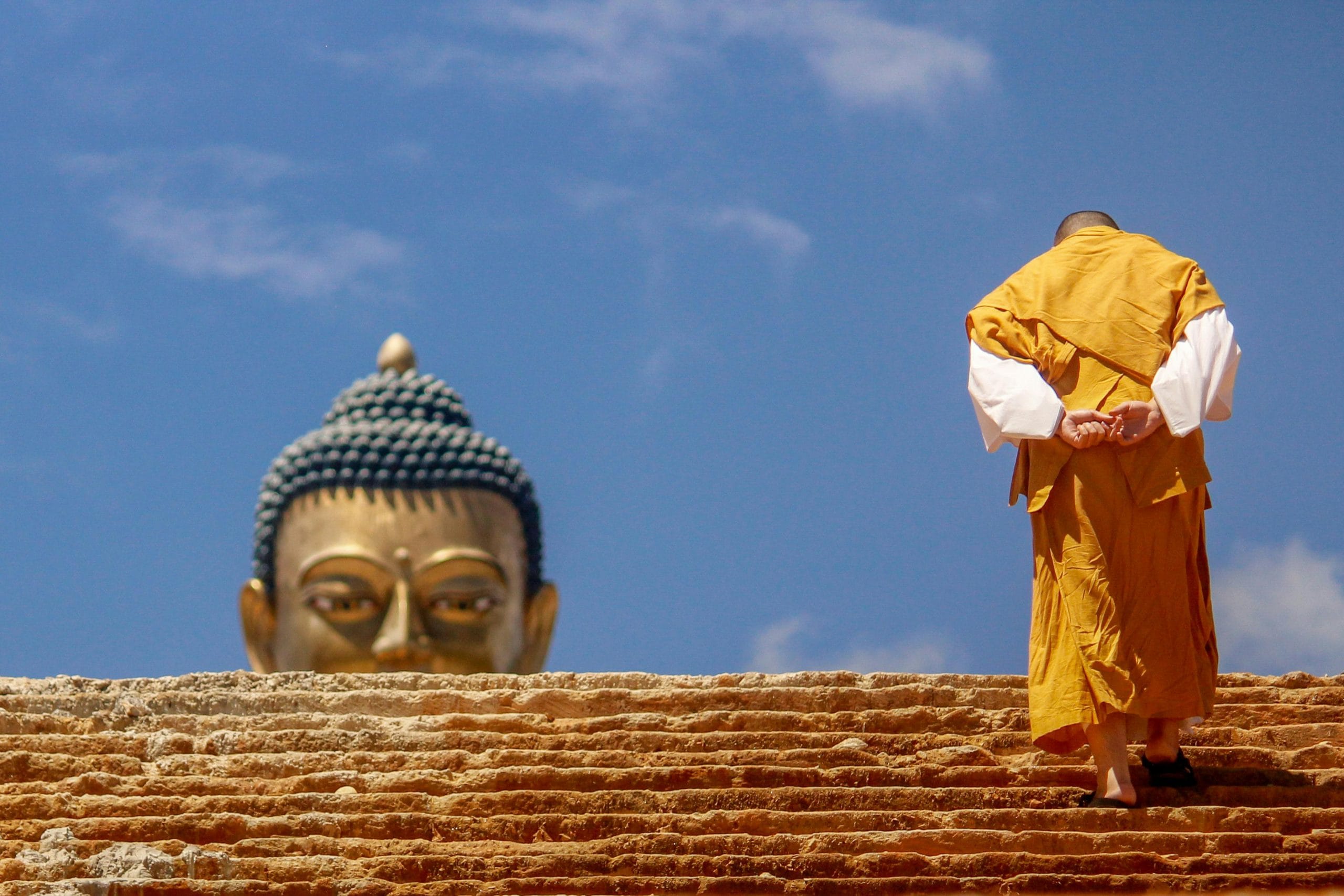
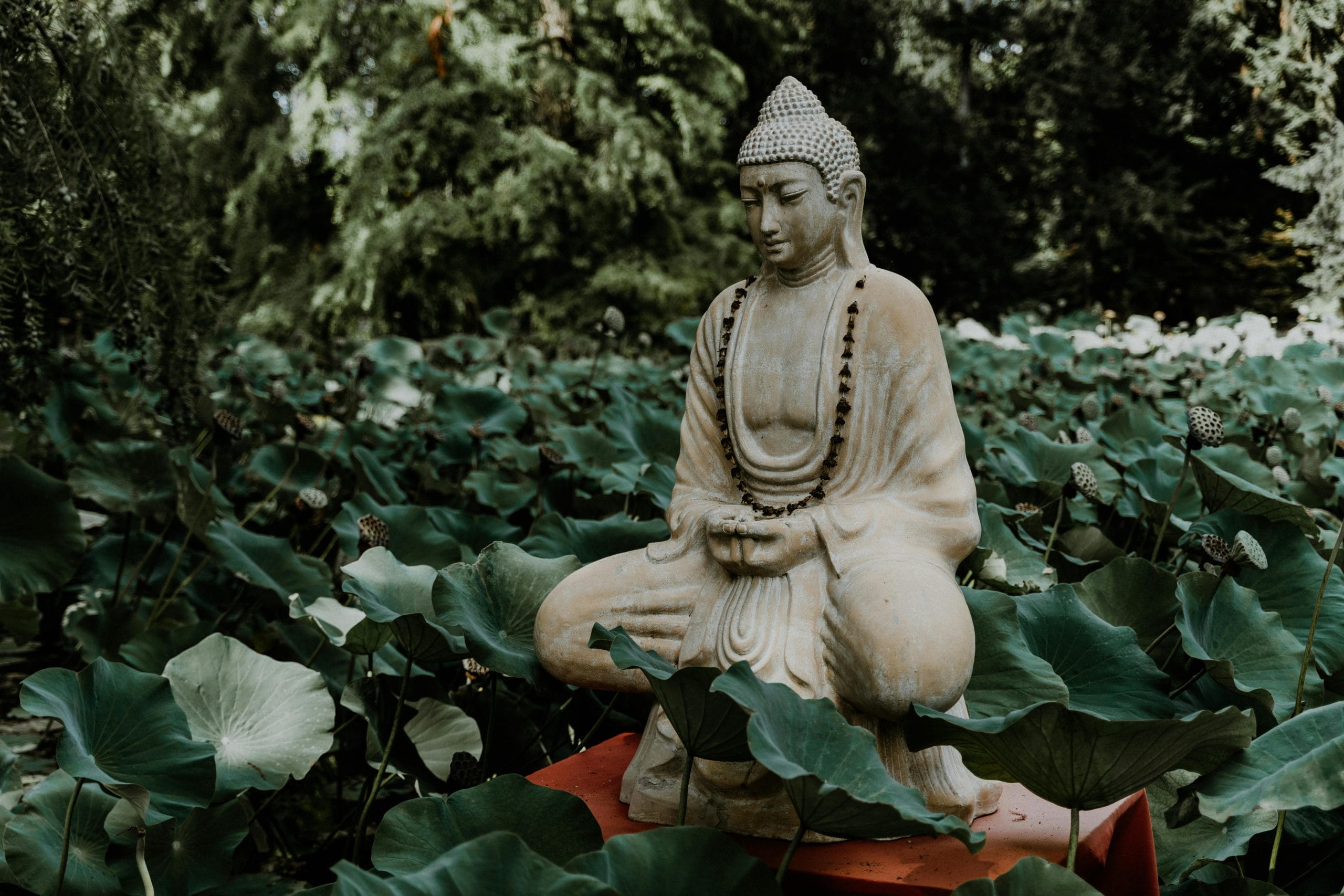
- The Buddha: Taking refuge in the Buddha means recognizing the Buddha as a teacher and role model. Siddhartha Gautama, who later became known as the Buddha, attained enlightenment and shared his insights to help others free themselves from suffering. By taking refuge in the Buddha, practitioners honor his journey, wisdom, and teachings, seeing him as an example of what is possible for all beings. The Buddha is not viewed as a deity or savior but as a wise guide whose life inspires followers to seek inner transformation.
- The Dharma: The Dharma refers to the teachings of the Buddha and the path to enlightenment. Taking refuge in the Dharma means committing to the study and practice of these teachings, which offer guidance on living a life of compassion, mindfulness, and ethical conduct. The Dharma provides a framework for understanding the nature of suffering, its causes, and the practices that lead to liberation. For many, taking refuge in the Dharma means committing to the path of self-discovery, ethical living, and mindfulness, all of which help cultivate inner peace and clarity.
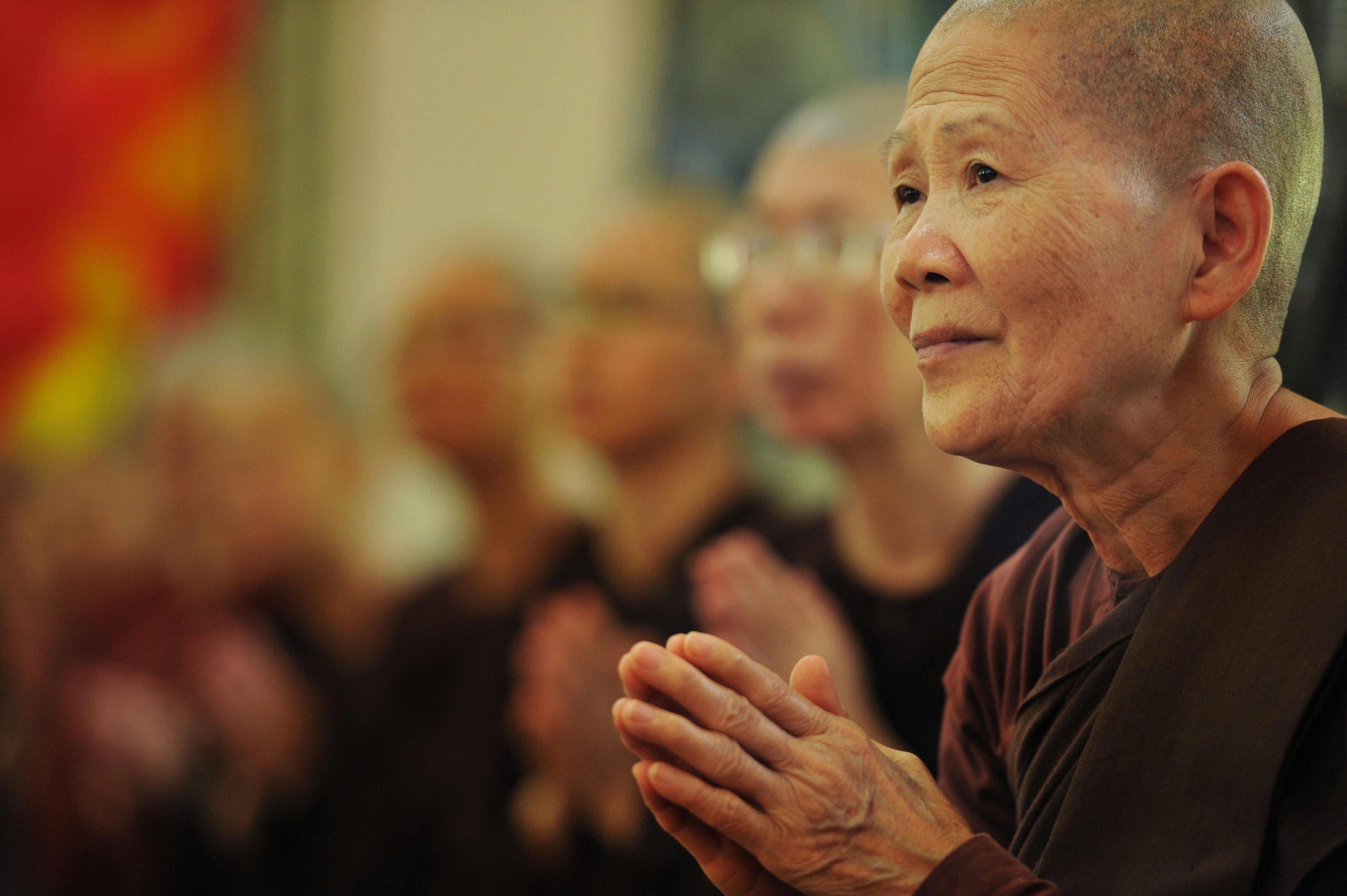
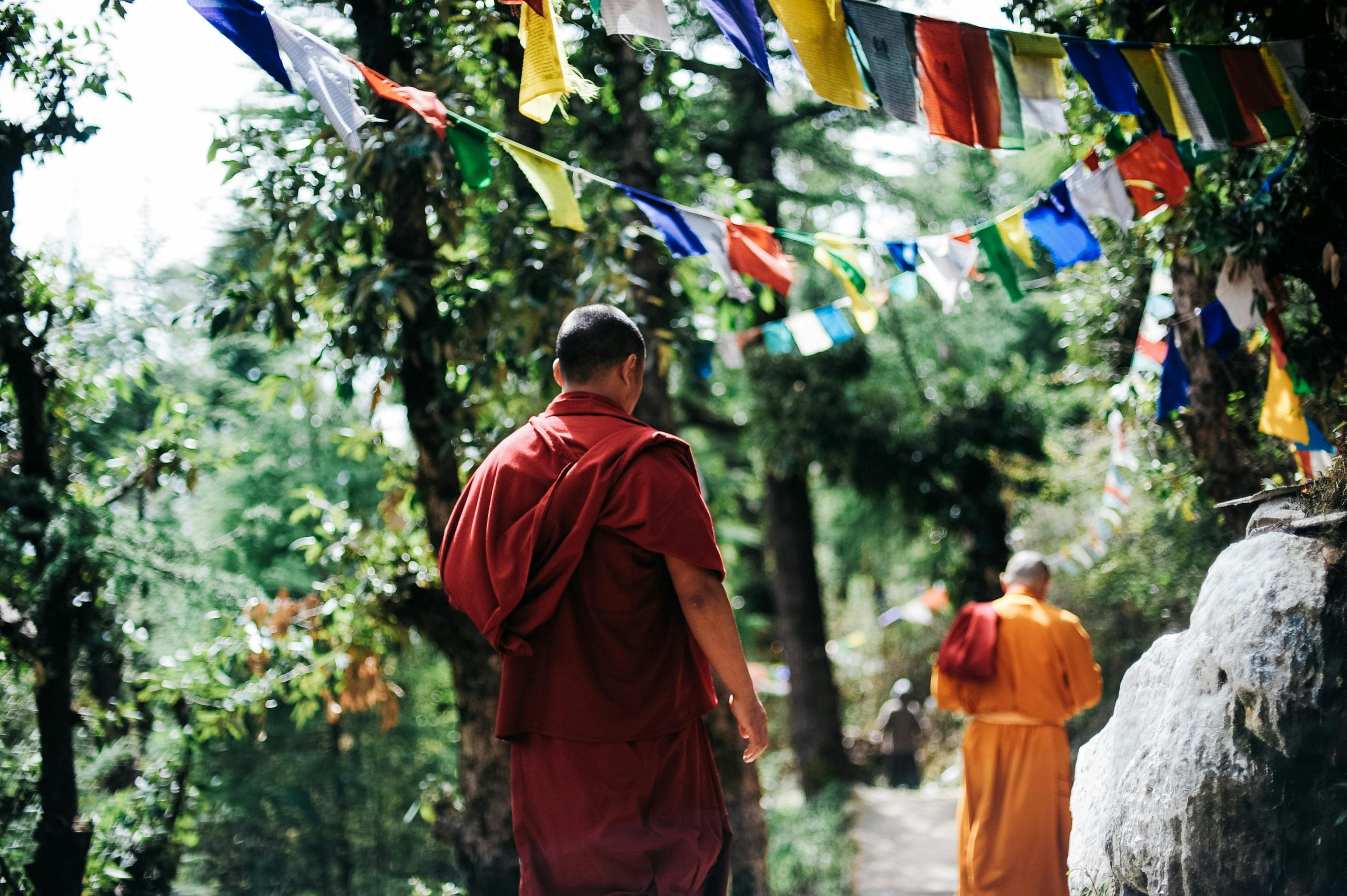
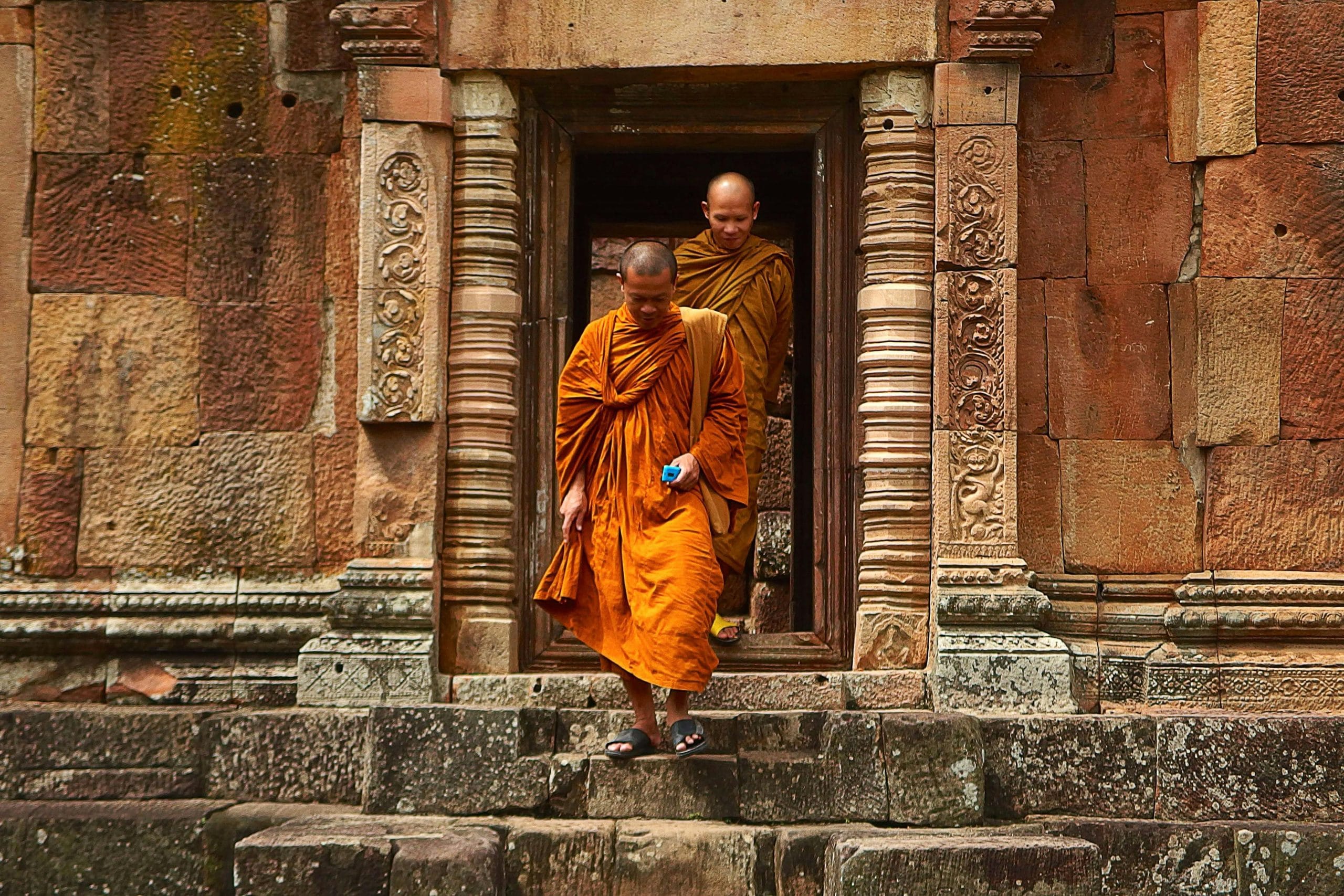
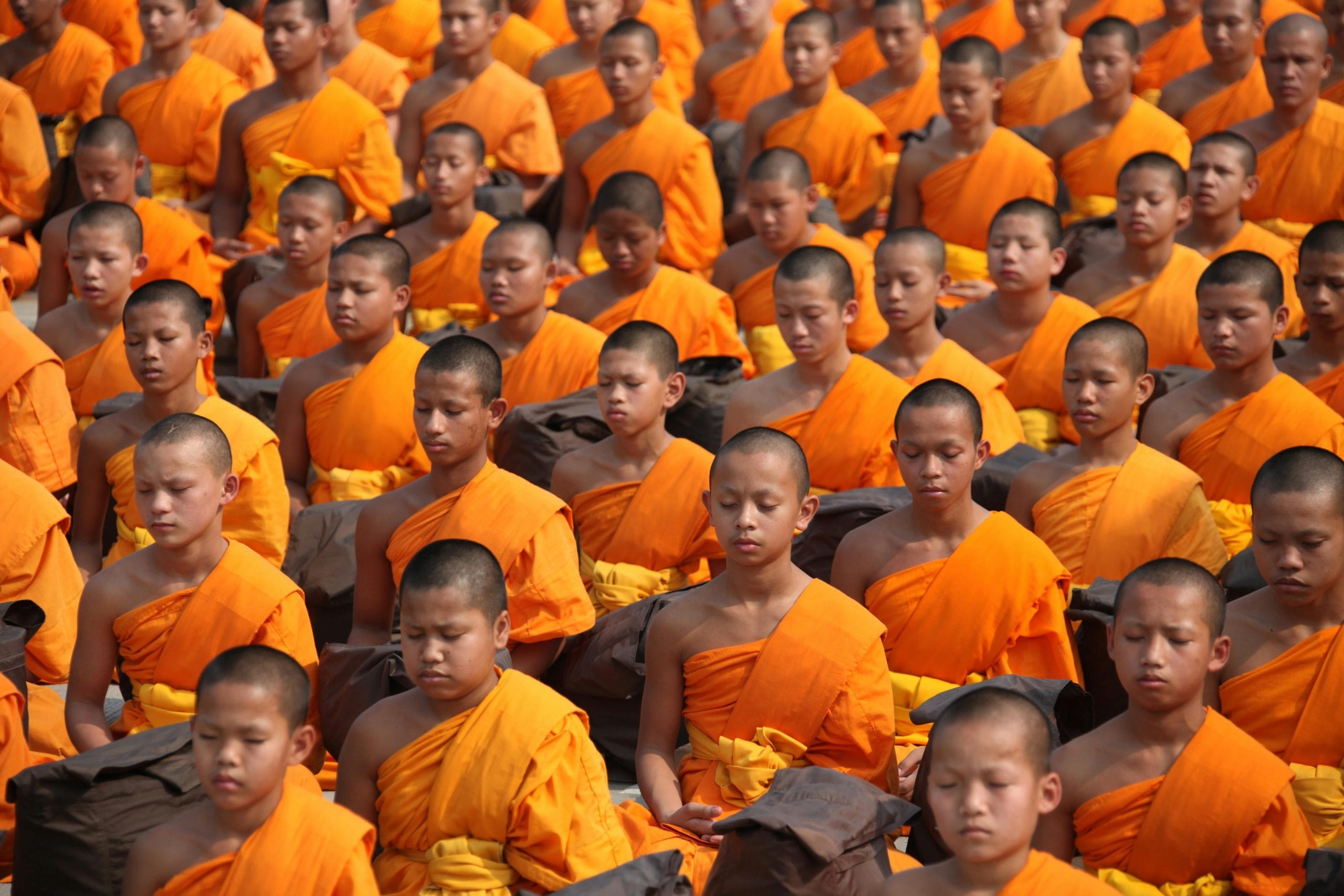
- The Sangha: The Sangha is the community of practitioners who follow the Buddha’s teachings. Traditionally, the Sangha refers to the monastic community of monks and nuns; however, it also includes lay practitioners who support one another on the path. Taking refuge in the Sangha means recognizing the value of community and the support it provides. The Sangha encourages growth, provides guidance, and fosters a sense of interconnectedness, reminding practitioners that they are not alone in their journey. The Sangha is a source of inspiration, offering both companionship and wisdom.
What Taking Refuge Means for New Practitioners
For new practitioners, taking refuge in Buddhism is often the first formal step in their spiritual journey. While there is no requirement to take refuge in order to practice Buddhism, many find that doing so provides a sense of commitment and direction. Taking refuge can be as simple as setting an intention to follow the teachings of the Buddha and incorporate them into daily life, or it can involve a more formal ceremony led by a Buddhist teacher or community.
Taking refuge is a personal decision and is usually undertaken when one feels ready to deepen their relationship with Buddhism. It symbolizes a willingness to commit to the principles of kindness, mindfulness, and wisdom, and to cultivate qualities that benefit oneself and others. For many, this commitment is a way of honoring the Buddha’s teachings and finding guidance on the path toward inner peace and self-awareness.
The Refuge Ceremony: A Symbolic Commitment
In many Buddhist traditions, taking refuge is marked by a simple ceremony in which the practitioner formally declares their commitment to the Three Jewels. During the ceremony, the individual recites phrases affirming their intention to take refuge in the Buddha, the Dharma, and the Sangha. A teacher or member of the Sangha may lead the ceremony, offering guidance and encouragement.
The refuge ceremony is not about conversion or renouncing other beliefs; rather, it is an acknowledgment of the Buddhist path as a source of inspiration and guidance. The ritual aspect can help solidify one’s commitment, serving as a reminder of the teachings and the values one wishes to embody. While ceremonies vary among traditions, the essential elements are similar: an expression of gratitude, respect, and dedication to the Three Jewels.
Living in Accordance with the Refuge Vows
Taking refuge in Buddhism is not a one-time event but a lifelong practice. It involves aligning one’s actions, thoughts, and intentions with the principles of Buddhism. For example, taking refuge in the Buddha might mean seeking to embody compassion and non-violence, as the Buddha did. Taking refuge in the Dharma involves studying the teachings and practicing mindfulness, meditation, and ethical conduct. Taking refuge in the Sangha means valuing community and supporting fellow practitioners on the path.
Practicing the Five Precepts—basic ethical guidelines for Buddhists—is one way of living in accordance with the refuge vows. These precepts encourage practitioners to refrain from harming others, lying, stealing, sexual misconduct, and intoxication. By following these precepts, Buddhists cultivate a life of kindness, integrity, and mindfulness, honoring the principles they committed to when they took refuge.
Renewing Refuge in Daily Practice
Buddhist practitioners often reaffirm their refuge in the Three Jewels as part of their daily practice. This can be done by reciting phrases, meditating on the Three Jewels, or simply reflecting on the values they represent. Renewing one’s commitment to the Three Jewels helps keep the path fresh in one’s mind, serving as a reminder of the intention to live a life of compassion, mindfulness, and wisdom.
Each time a practitioner renews their refuge, they strengthen their connection to the Buddhist path. This daily reaffirmation can provide comfort and guidance, especially during difficult times, reminding practitioners of the teachings, support, and community available to them. Regularly taking refuge can become a source of strength, helping practitioners stay committed to their journey of self-discovery and inner peace.
Taking Refuge as a Source of Inner Strength
For many, taking refuge in the Buddha, Dharma, and Sangha becomes a profound source of inner strength. The teachings of the Buddha provide insight into the nature of suffering and the means to transcend it, while the practice of the Dharma offers tools for cultivating resilience and clarity. The Sangha provides encouragement, helping practitioners stay committed to the path even during challenging times.
As life presents challenges and changes, taking refuge in the Three Jewels can offer stability and a sense of purpose. It helps practitioners remember that they are not alone in their struggles, that they have tools to navigate difficulties, and that their journey is supported by a community of like-minded individuals.
Taking refuge in Buddhism is a transformative step, symbolizing a commitment to a life of compassion, mindfulness, and self-awareness. By turning to the Buddha as a guide, the Dharma as a path, and the Sangha as a community, practitioners find a foundation for growth, resilience, and inner peace. Taking refuge is not an end goal but a beginning, marking the start of a lifelong journey toward wisdom, compassion, and freedom from suffering. Each day, each moment, offers an opportunity to live in alignment with these values, bringing deeper meaning and joy to the practice of Buddhism.