


How Can I Learn to Meditate Like a Buddhist?
Meditation is one of the most important practices in Buddhism, helping people cultivate mindfulness, inner peace, and compassion. If you’re interested in learning to meditate like a Buddhist, it can be a transformative practice that requires time, patience, and dedication. Buddhist meditation includes a range of techniques, from mindful breathing to loving-kindness, each offering unique benefits for mental clarity and emotional well-being. Here’s a guide to help you get started on learning to meditate like a Buddhist and incorporate it into your daily life.
1. Understand the Purpose of Buddhist Meditation
In Buddhism, meditation is a tool for cultivating mindfulness, self-awareness, and compassion. Rather than merely relaxing or relieving stress, Buddhist meditation aims to help individuals understand the nature of the mind, develop ethical behavior, and eventually achieve enlightenment. The Buddha taught meditation as a way to free oneself from suffering, observe thoughts and emotions without attachment, and gain insight into the true nature of existence.
When you meditate with these intentions, the practice becomes a path toward inner growth and transformation. As you begin, it’s helpful to approach meditation with a sense of openness and curiosity, seeing it as a journey of self-discovery and compassion.
2. Find a Quiet and Comfortable Space
While you can meditate almost anywhere, starting in a quiet, comfortable place free from distractions is ideal, especially as a beginner. Choose a spot where you can sit comfortably, with minimal background noise. This can be a dedicated corner in your home, a peaceful outdoor spot, or even a chair in a quiet room.
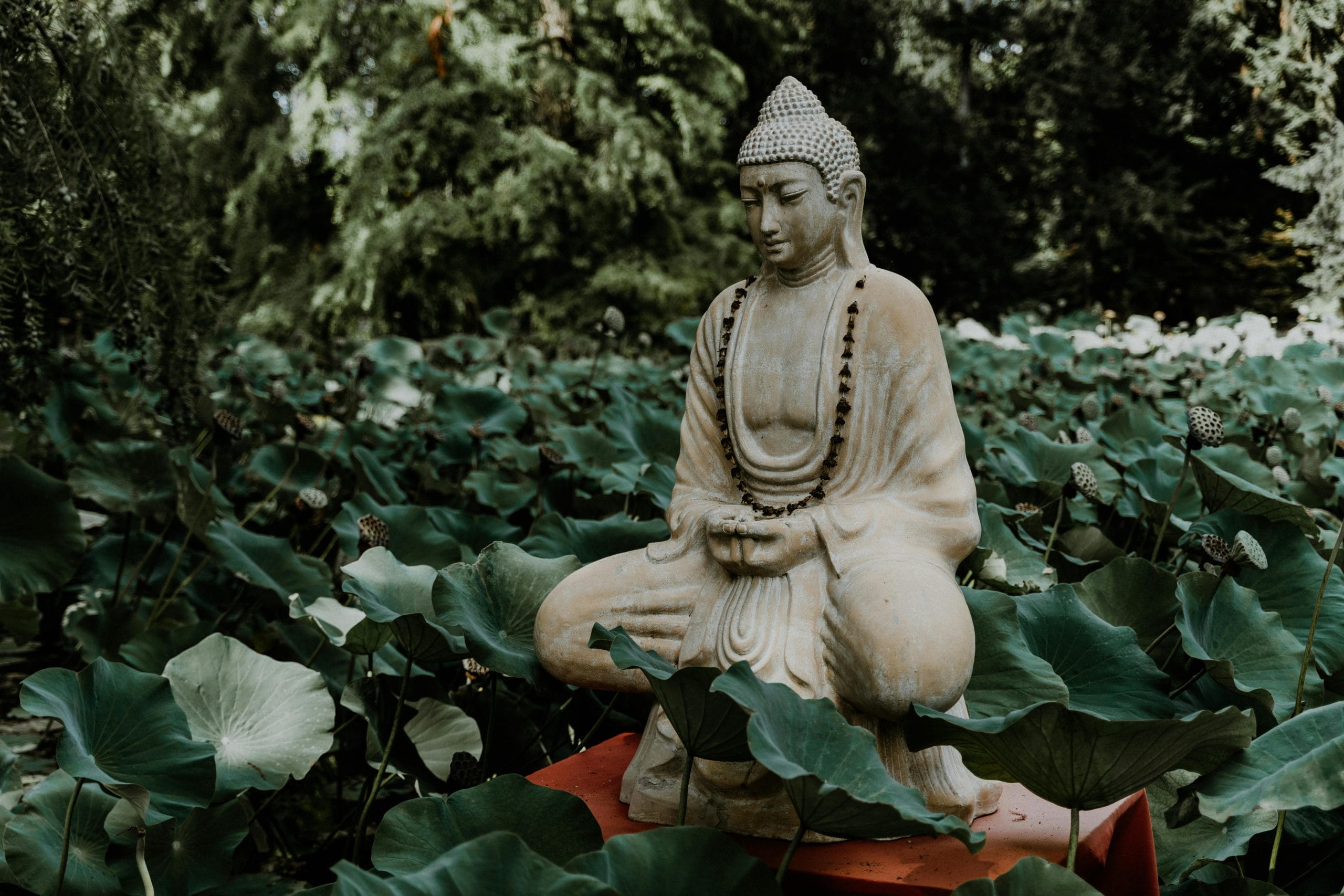
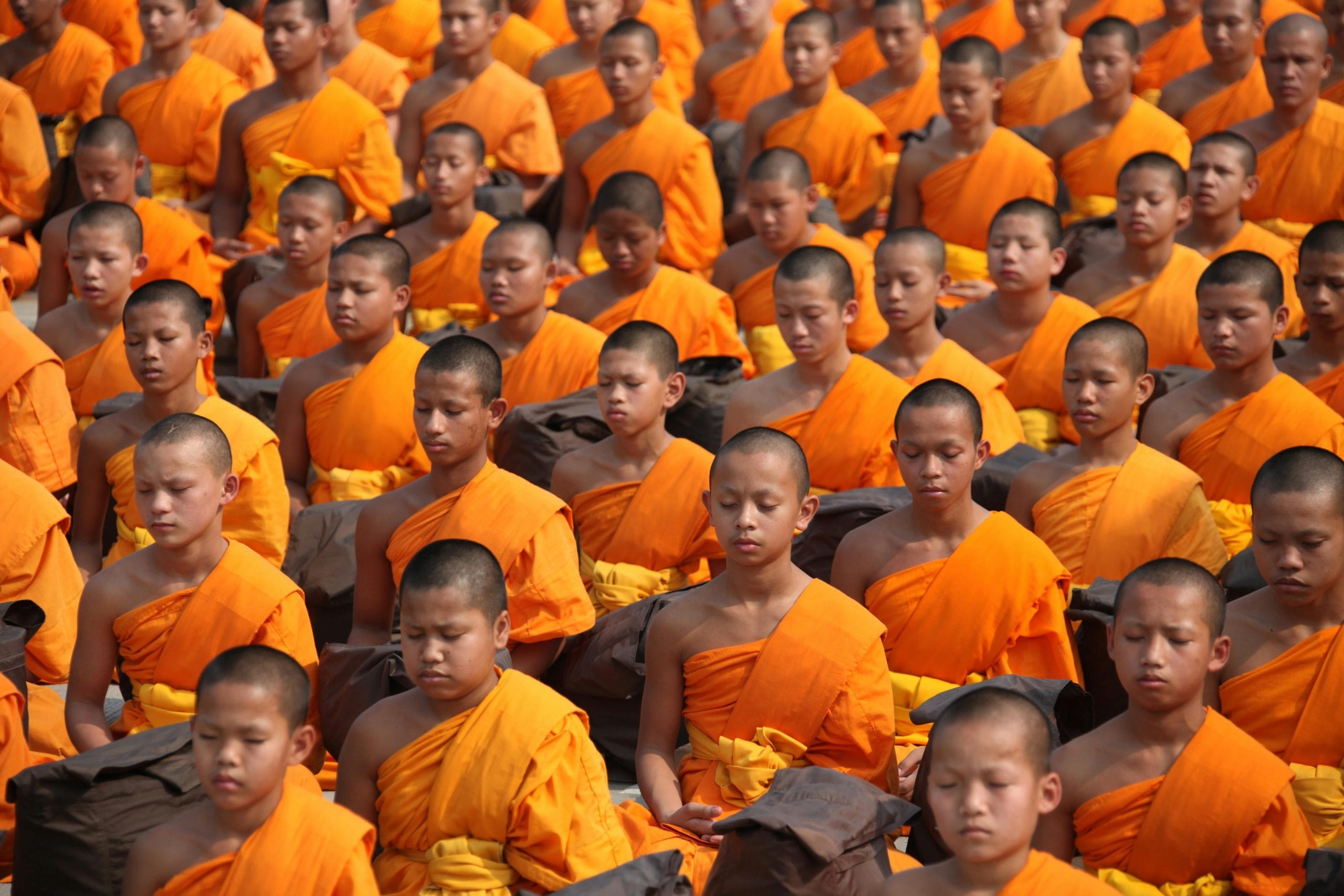
When it comes to your posture, the most traditional position for Buddhist meditation is to sit cross-legged on a cushion or mat. However, if that’s uncomfortable, you can sit on a chair with your feet flat on the ground or even kneel. The important thing is to sit with a straight back, relaxed shoulders, and hands resting on your lap or knees, creating a stable and upright posture. A comfortable position allows you to focus on meditation without being distracted by physical discomfort.
3. Start with Breath Meditation (Anapanasati)
One of the most fundamental forms of Buddhist meditation is Anapanasati, or breath meditation. In this practice, you focus your attention on the breath as it moves in and out of your body. Breath meditation helps cultivate mindfulness, which is the foundation of Buddhist meditation.
To begin, close your eyes and take a few deep breaths, then let your breathing return to its natural rhythm. Focus your attention on the sensation of the breath entering and leaving your nose, chest, or abdomen. Try to observe each breath without controlling it. When your mind wanders, gently bring your focus back to your breath, without judgment or frustration. Start with just a few minutes, and gradually increase the time as you feel more comfortable. Breath meditation strengthens concentration, calms the mind, and helps you develop a mindful awareness that can extend to other areas of your life.
4. Practice Loving-Kindness Meditation (Metta Bhavana)
Loving-kindness meditation, or Metta Bhavana, is a popular practice in Buddhism that helps cultivate compassion and kindness toward oneself and others. This meditation encourages you to open your heart, reduce anger, and develop a sense of interconnectedness.
To practice Metta Bhavana, begin by focusing on yourself. Silently repeat phrases like “May I be happy, may I be healthy, may I be safe, may I be at peace.” After sending loving-kindness to yourself, gradually extend these wishes to others: first to someone you care about, then to a neutral person, then to someone with whom you may have conflicts, and finally to all beings. This practice not only fosters compassion but also promotes emotional resilience and well-being.
5. Observe Thoughts with Mindfulness Meditation (Vipassana)
Vipassana, or insight meditation, is one of the oldest forms of Buddhist meditation. It involves observing your thoughts, feelings, and sensations as they arise and pass away, without attachment or judgment. Vipassana helps you understand the transient nature of thoughts and emotions, leading to greater inner peace and freedom from negative patterns.
To practice, sit quietly and focus on your breath. When a thought or feeling arises, acknowledge it, note what it is (e.g., “thinking,” “feeling angry,” “planning”), and return to your breath. The goal is not to suppress thoughts but to observe them without attachment, recognizing that they come and go like passing clouds. Over time, this practice allows you to see your thoughts and emotions more clearly, helping reduce reactivity and promoting a balanced, peaceful mind.
6. Develop Patience and Consistency
Consistency is key when learning to meditate like a Buddhist. Start with short sessions, such as five to ten minutes, and gradually increase the duration as you become more comfortable. Practicing daily, even for a few minutes, is more effective than occasional long sessions. As you continue, you may find that meditation becomes a natural and calming part of your daily routine.
Meditation is a skill that requires patience, and progress may be slow. Some days may feel more focused than others, and that’s entirely normal. Approach each session with a beginner’s mind, staying open to whatever arises, and trust that each moment spent in meditation brings you closer to greater mindfulness and peace.
7. Incorporate Walking Meditation
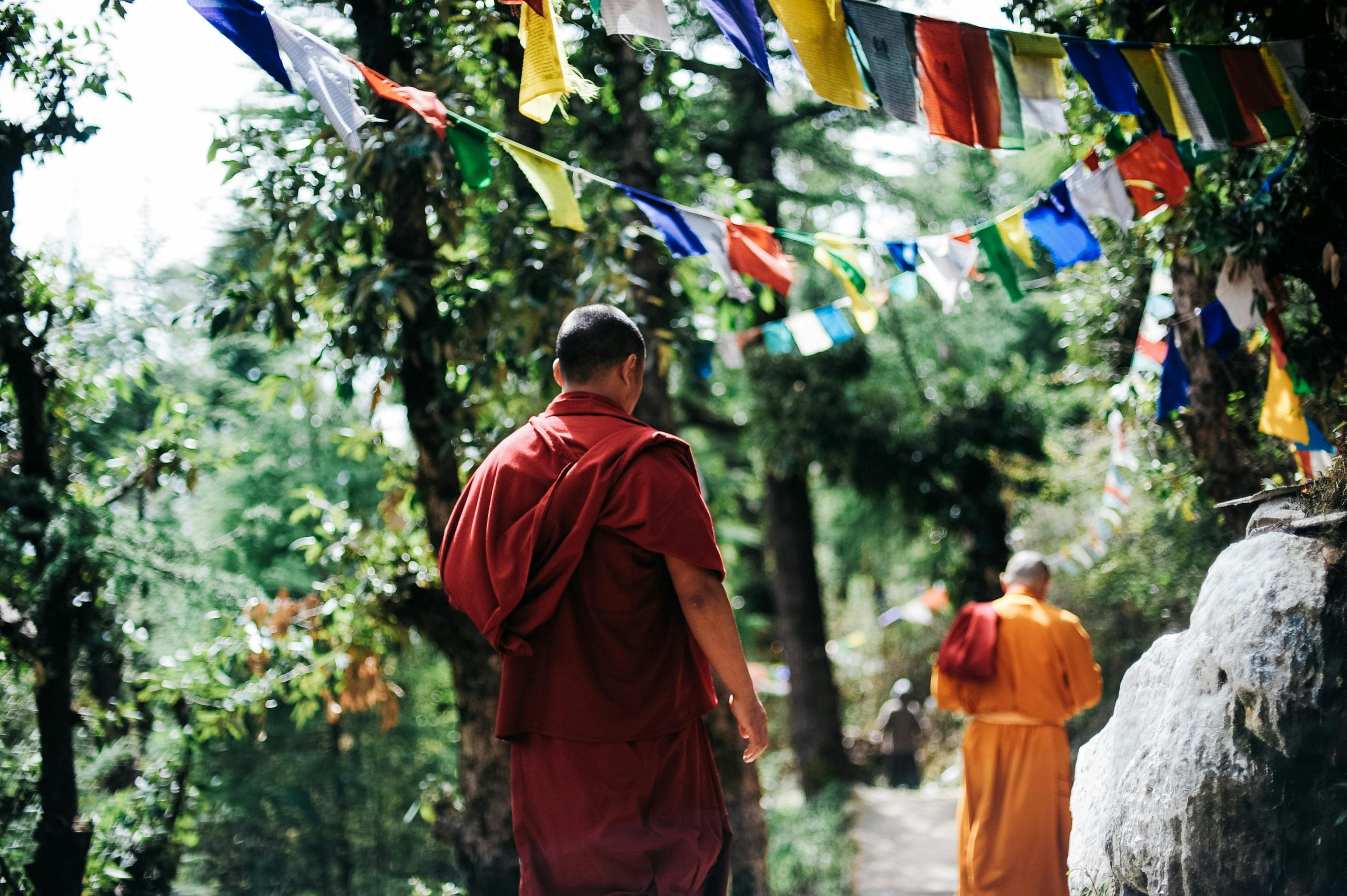
In addition to seated meditation, walking meditation is another Buddhist practice that brings mindfulness into motion. Walking meditation allows you to practice mindfulness as you walk slowly, focusing on each step. This practice is especially helpful for those who find it challenging to sit still for long periods.
To begin walking meditation, find a clear path and walk at a slow, natural pace. Focus your attention on the sensation of your feet touching the ground and your body moving. As with seated meditation, when your mind wanders, gently bring it back to the present moment. Walking meditation helps cultivate mindfulness in daily life and can be a refreshing addition to your meditation routine.
8. Join a Meditation Group or Attend a Retreat
Practicing meditation alone is beneficial, but joining a group or attending a meditation retreat can provide valuable support and guidance. Many Buddhist centers and meditation groups offer sessions for beginners, providing instruction and a sense of community. Meditating with others can deepen your practice, provide accountability, and allow you to learn from experienced practitioners.
Meditation retreats, ranging from a single day to several weeks, offer an immersive environment for deepening your practice. Retreats provide an opportunity to disconnect from daily distractions and fully focus on meditation, often under the guidance of a teacher. Many people find that attending a retreat brings significant insights and breakthroughs in their meditation journey.
Embrace the Journey with Openness and Compassion
Learning to meditate like a Buddhist is a gradual process, and it’s essential to approach it with patience and self-compassion. Meditation can bring challenges, such as restlessness or difficulty focusing, but with consistent practice, you’ll develop greater mental clarity and emotional resilience. Each session, no matter how brief, contributes to your growth.
Remember that the essence of Buddhist meditation is not to reach a specific destination but to cultivate awareness, compassion, and wisdom in each moment. By embracing the journey with openness and a gentle heart, you’ll discover that meditation can enrich your life and bring a deep sense of peace and understanding.
Meditation is a gift that can help you navigate life’s ups and downs with a calm and compassionate heart. As you incorporate these Buddhist practices, you’ll find yourself more grounded, present, and open to life’s experiences. Embrace the process, knowing that each mindful breath and loving thought brings you closer to inner peace and joy.