







Balancing Body, Mind, and Spirit: Integrative Wellness Techniques to Try Today
Balancing Body, Mind, and Spirit: Integrative Wellness Techniques to Try Today
In our fast-paced, often chaotic world, achieving a balanced life can feel like a distant goal. Work, relationships, financial concerns, and daily stressors often leave us feeling drained, disconnected, and overwhelmed. This imbalance not only affects our physical health but also our mental and spiritual well-being. The good news is that integrating wellness practices into your daily routine can help you restore harmony between your body, mind, and spirit, bringing a deeper sense of peace, vitality, and clarity.
Integrative wellness techniques combine elements of traditional and alternative medicine, emphasizing the interconnectedness of physical, mental, and spiritual health. This holistic approach to well-being encourages us to nurture all aspects of ourselves, allowing for more profound and sustainable health benefits. In this article, we will explore key integrative wellness practices and offer practical tips on how to incorporate them into your life.
Why Balance Is Essential for Well-Being
Balancing body, mind, and spirit means nurturing every aspect of your being, understanding that each part influences the other. When one aspect of your life is out of balance, it can lead to a ripple effect, impacting your overall well-being. For example, chronic stress (an imbalance in the mind) can lead to physical symptoms such as fatigue, digestive issues, and headaches, while emotional disconnection can cause a sense of spiritual emptiness.
By focusing on integrative wellness, we can achieve a sense of harmony that positively impacts every part of our life. Let’s look at how to balance body, mind, and spirit using accessible and effective techniques.
Balancing the Body: Physical Wellness Techniques
Taking care of the body is the foundation of overall well-being. Physical health is deeply connected to mental clarity and emotional resilience. Here are some integrative wellness practices to keep your body in balance:
1. Mindful Movement (Yoga, Tai Chi, or Qigong)
Movement is essential for maintaining a healthy body, but not all exercise needs to be intense or vigorous. Practices like yoga, tai chi, and qigong offer gentle, mindful movement that promotes flexibility, strength, and balance. These practices also incorporate breathwork and meditation, fostering a deeper connection between body and mind.
- Yoga: Yoga combines physical postures with mindful breathing and meditation. It not only enhances strength and flexibility but also helps reduce stress, improve mental focus, and promote relaxation.
- Tai Chi: Often referred to as “meditation in motion,” tai chi is a Chinese martial art that focuses on slow, deliberate movements and deep breathing. It is particularly beneficial for reducing stress, improving balance, and boosting energy flow.
- Qigong: Similar to tai chi, qigong is an ancient Chinese practice that combines slow movements with breath control and meditation. It is used to cultivate life energy (qi) and promote healing and vitality.
These movement practices can be done daily and are suitable for people of all fitness levels. Even just 10-15 minutes of mindful movement can help you feel more centered and physically balanced.
2. Nutritional Balance
What you put into your body has a direct impact on how you feel physically, mentally, and emotionally. A well-balanced diet rich in whole foods—such as vegetables, fruits, whole grains, lean proteins, and healthy fats—provides the nutrients your body needs to function optimally. In integrative wellness, nutrition is seen as not just fuel for the body, but also as medicine that can heal and maintain health.
Tips for Nutritional Balance:
- Eat a variety of colorful, nutrient-dense foods.
- Avoid processed foods, refined sugars, and artificial additives.
- Incorporate mindful eating practices, savoring your meals and being present while eating.
- Stay hydrated by drinking plenty of water throughout the day.
You might also explore functional foods and herbs like turmeric, ginger, or ashwagandha, which have been used for centuries in traditional medicine to support the body’s resilience to stress and illness.
3. Massage and Bodywork
Massage therapy and other forms of bodywork, such as acupuncture, reiki, and reflexology, offer powerful ways to release physical tension, promote circulation, and enhance relaxation. These practices work by stimulating the body’s natural healing processes and encouraging the flow of energy (chi or prana) throughout the body.
Regular massage or acupuncture sessions can help alleviate stress, relieve muscle tension, improve sleep quality, and foster a deeper sense of relaxation. Bodywork also provides a great opportunity to reconnect with your body and tune into its needs.
Balancing the Mind: Mental and Emotional Wellness Techniques
A healthy mind is crucial for maintaining overall wellness. Integrating practices that support mental clarity, emotional resilience, and relaxation can reduce stress, enhance focus, and improve emotional well-being.
1. Mindfulness Meditation
Mindfulness meditation is a simple yet transformative practice that involves focusing on the present moment without judgment. By training the mind to stay present, mindfulness helps reduce rumination, anxiety, and stress. It also improves emotional regulation, allowing you to respond to challenges with greater calm and clarity.
How to Practice Mindfulness Meditation:
- Find a quiet space where you can sit comfortably.
- Close your eyes and take a few deep breaths.
- Focus your attention on your breath, the sensations in your body, or the sounds around you.
- If your mind wanders, gently bring your focus back to the present moment.
- Start with just 5-10 minutes a day and gradually increase the duration as you become more comfortable.
In addition to formal meditation, you can practice mindfulness throughout your day by bringing full attention to your activities—whether you’re eating, walking, or working. Mindfulness helps you stay grounded, reduce stress, and enhance emotional balance.
2. Journaling
Journaling is an excellent tool for processing emotions and gaining insight into your thoughts and feelings. Writing down your thoughts, worries, and reflections can help you release mental clutter, gain perspective, and identify patterns that may be holding you back.
To incorporate journaling into your routine, try writing for 5-10 minutes each morning or evening. You can use journaling prompts like “What am I grateful for today?” or “What challenges did I face, and how did I handle them?” to guide your writing.
3. Breathwork
Breathwork, or conscious breathing, is a powerful tool for calming the mind and regulating emotions. Different breathwork techniques can activate the parasympathetic nervous system, promoting relaxation and reducing the body’s stress response.
Simple Breathwork Technique (4-7-8 Breathing):
- Inhale quietly through your nose for a count of 4.
- Hold your breath for a count of 7.
- Exhale completely through your mouth for a count of 8.
- Repeat this cycle 3-4 times to calm your mind and body.
Regular breathwork practice can reduce anxiety, improve focus, and bring a sense of calm to your day.
Balancing the Spirit: Spiritual Wellness Techniques
Spiritual well-being involves connecting with something greater than yourself, whether it’s through religion, nature, or personal meaning. Cultivating spiritual wellness helps you find purpose, develop resilience, and foster a deeper connection with the world around you.
1. Meditative Prayer or Contemplation
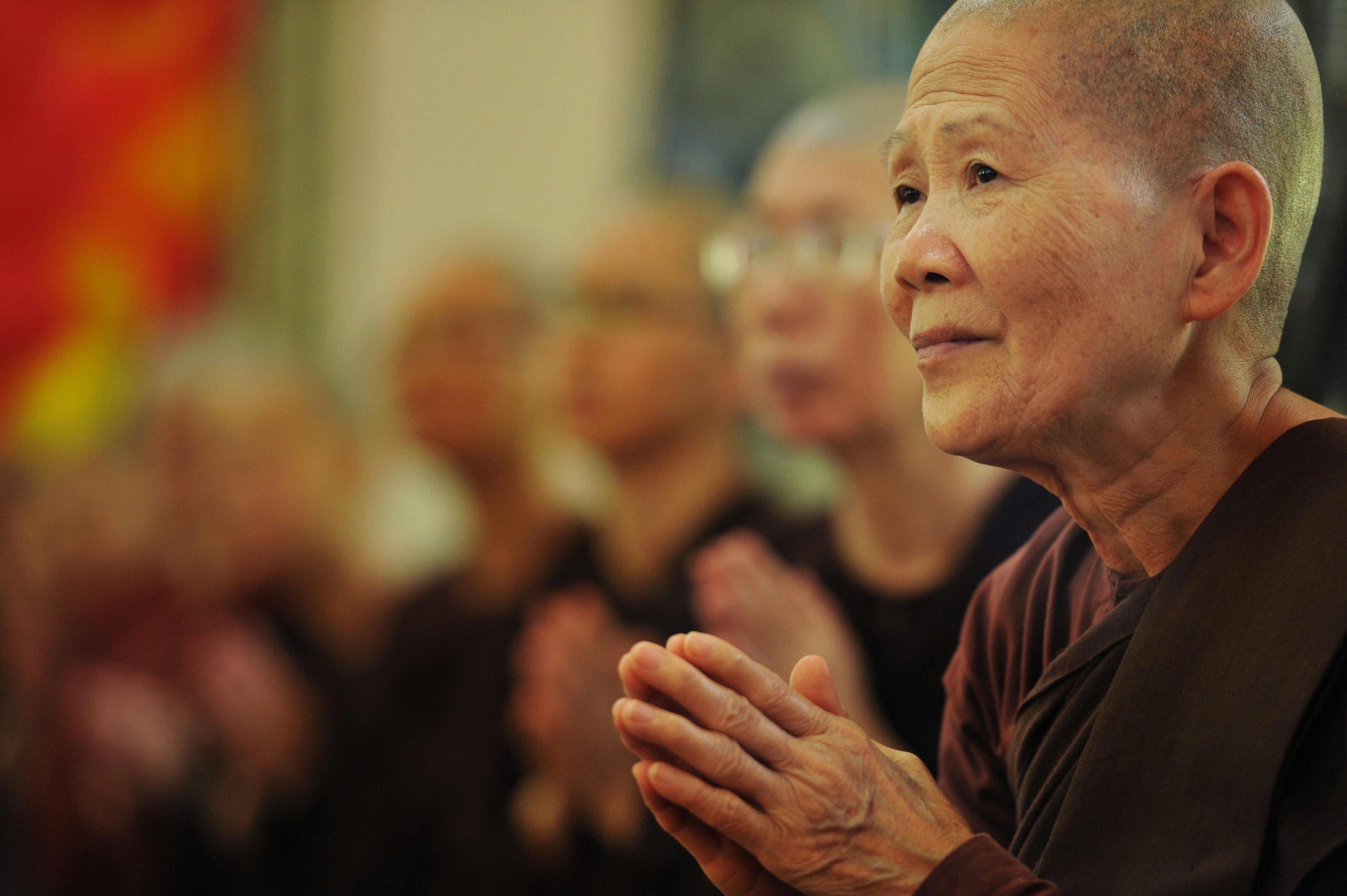
For many people, prayer or spiritual contemplation is a deeply grounding practice that provides a sense of connection, peace, and guidance. Whether through traditional prayer, chanting, or silent reflection, taking time to connect with a higher power or inner wisdom can help you feel more centered and aligned with your spiritual values.
If you’re not religious, you can still engage in contemplation by reflecting on your purpose, values, or personal philosophy. This type of introspective practice can foster a sense of inner peace and alignment.
2. Nature Connection
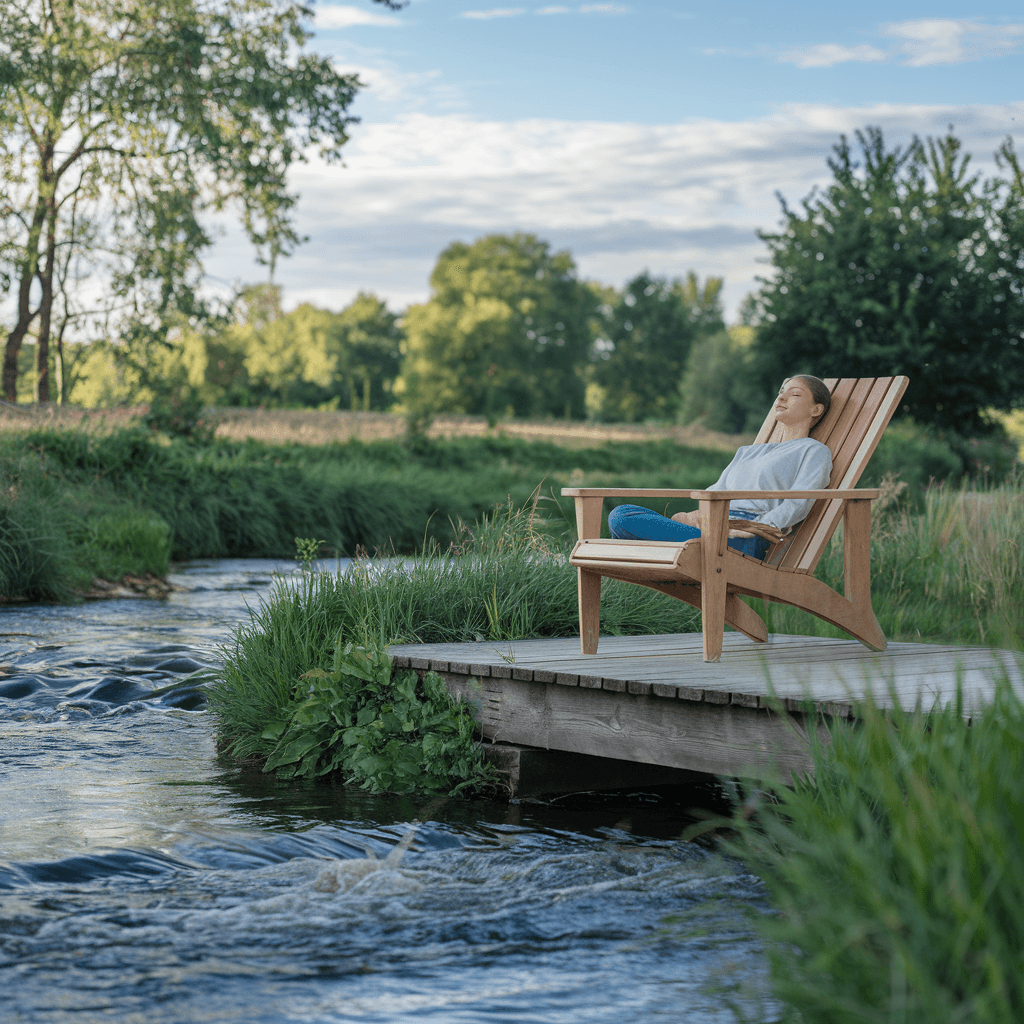
Spending time in nature is a powerful way to nurture your spirit and reconnect with the world around you. Nature has a calming and restorative effect, offering a sense of perspective and peace that is often hard to find in urban environments.
Make time to go for a walk in a park, sit by the ocean, or hike through the mountains. Even just a few minutes outdoors can help you feel more connected and rejuvenated.
3. Gratitude Practice
Practicing gratitude is one of the most effective ways to shift your mindset toward positivity and foster spiritual well-being. By focusing on what you are grateful for, you train your mind to notice the good in life, even during challenging times.
Each day, take a few moments to reflect on or write down three things you are grateful for. This simple practice can enhance your mood, improve relationships, and bring a greater sense of meaning and purpose to your life.
Conclusion
Balancing your body, mind, and spirit is a journey that requires consistent attention and care. By incorporating integrative wellness techniques like mindful movement, meditation, proper nutrition, and spiritual practices into your daily routine, you can cultivate a deeper sense of harmony, peace, and well-being. Remember, wellness is not about perfection—it’s about progress. By taking small, mindful steps toward balance, you can transform your life and experience the vitality and serenity that comes with holistic well-being.