
Are There Specific Rituals I Need to Perform to Practice Buddhism?
Buddhism is a diverse spiritual path that includes a wide variety of teachings, practices, and rituals. For those new to Buddhism, the idea of rituals may seem intimidating or confusing. Many people wonder whether performing specific rituals is essential to practicing Buddhism and if so, which ones should be followed. While rituals play a role in some Buddhist traditions, they are not required to practice the core teachings of Buddhism. The beauty of Buddhism lies in its flexibility, allowing practitioners to adapt practices that resonate with them personally. Here, we’ll explore the role of rituals in Buddhism, what they represent, and how you can practice Buddhism with or without them.
The Role of Rituals in Buddhism
Rituals in Buddhism serve several purposes. They can be ways to express devotion, cultivate mindfulness, deepen understanding, and foster a sense of community among practitioners. Rituals are found in many forms, from simple daily practices like bowing or chanting to elaborate ceremonies held in temples. While rituals can enhance the spiritual experience, they are not considered the core of Buddhist practice.
In Buddhism, the emphasis is on inner transformation rather than external acts. The Buddha himself encouraged his followers to focus on understanding, mindfulness, and ethical conduct rather than strictly adhering to rituals. While rituals are prevalent in many Buddhist traditions, they are seen as supportive tools, not requirements. Buddhism teaches that anyone can find wisdom and compassion through personal experience and understanding, whether they choose to perform rituals or not.
Common Rituals in Buddhist Practice
While rituals are not required, many Buddhist traditions incorporate certain practices to support the teachings. These rituals vary widely, depending on the tradition and cultural background. Here are some common rituals you may encounter in Buddhist practice:
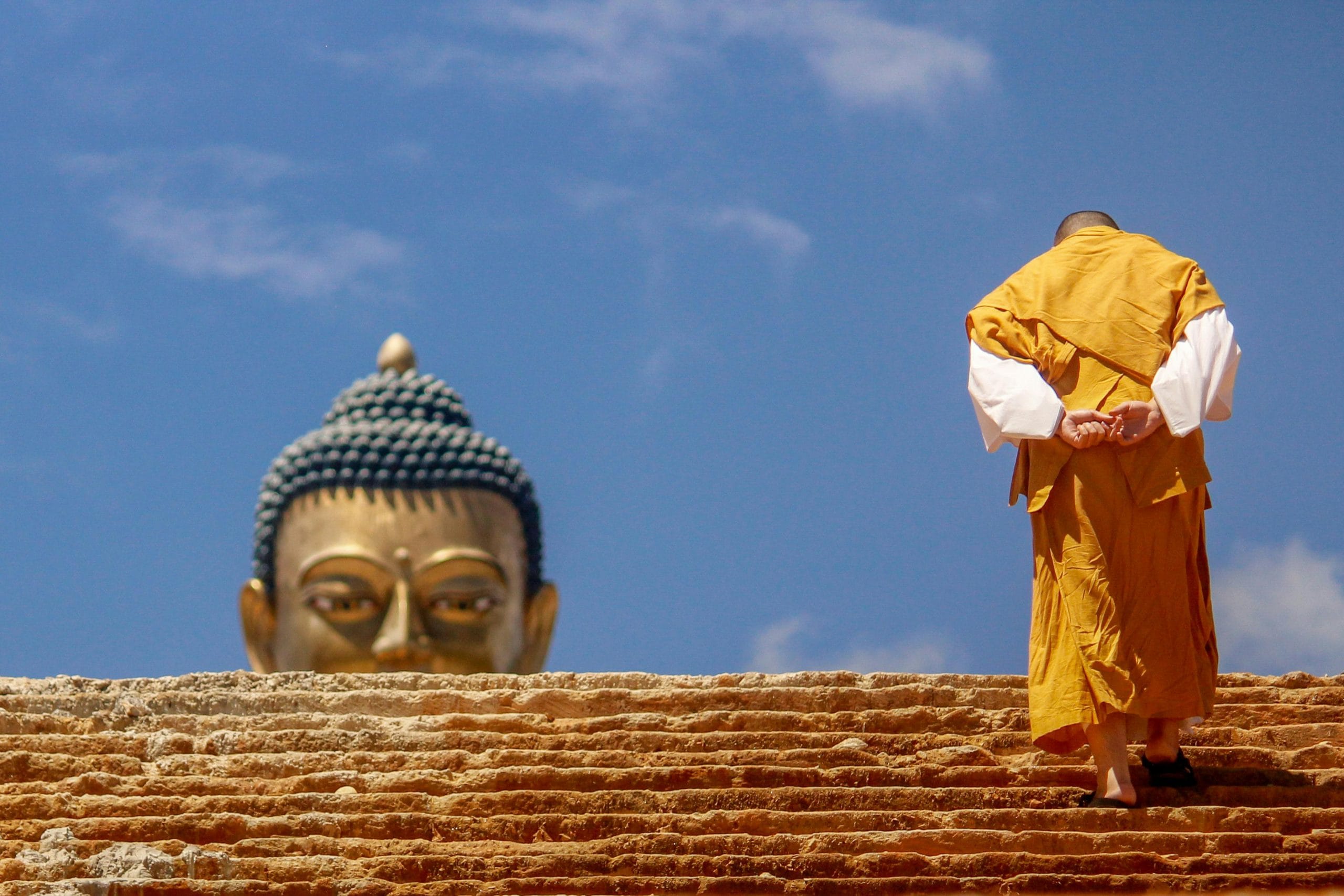
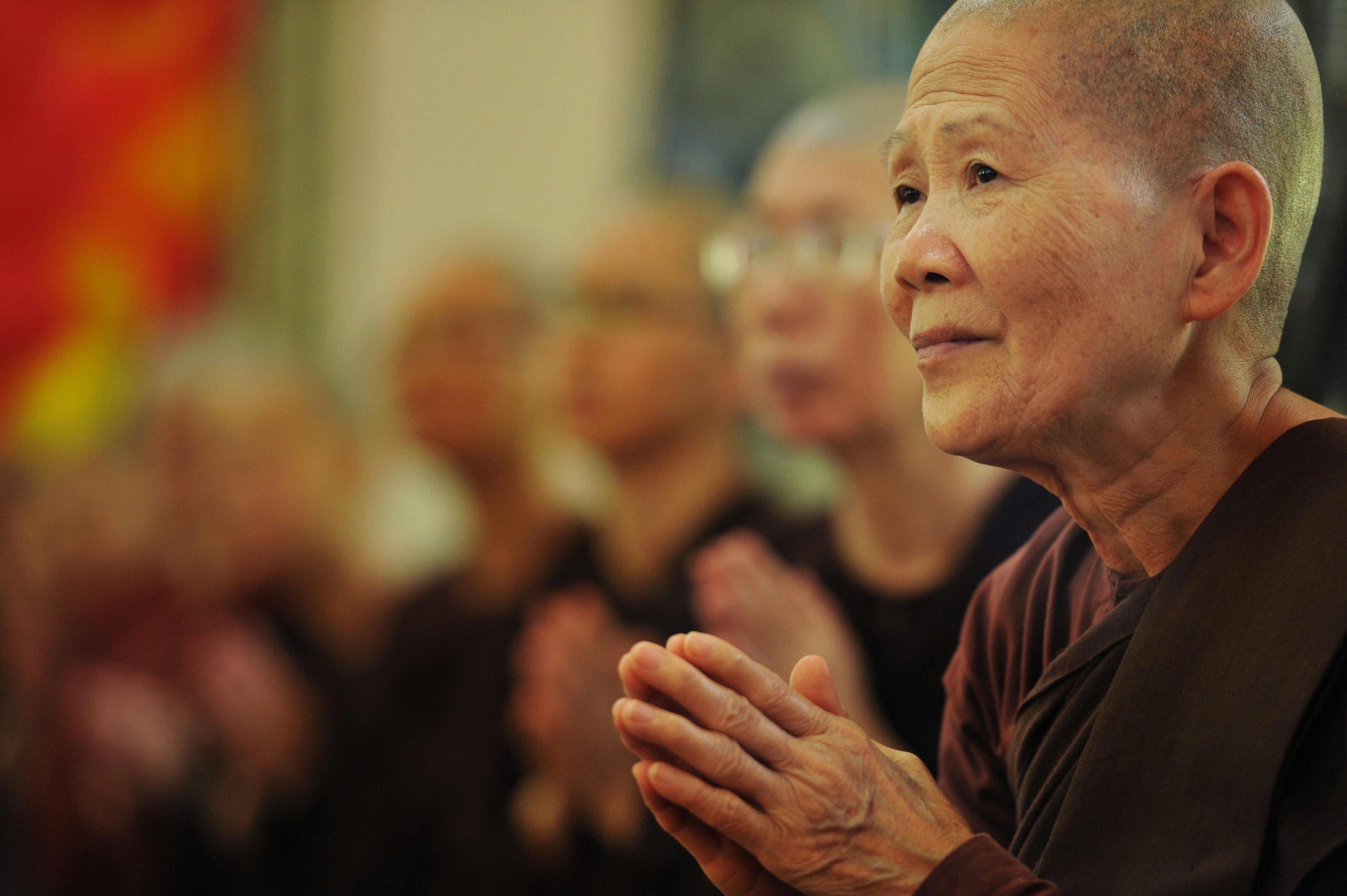
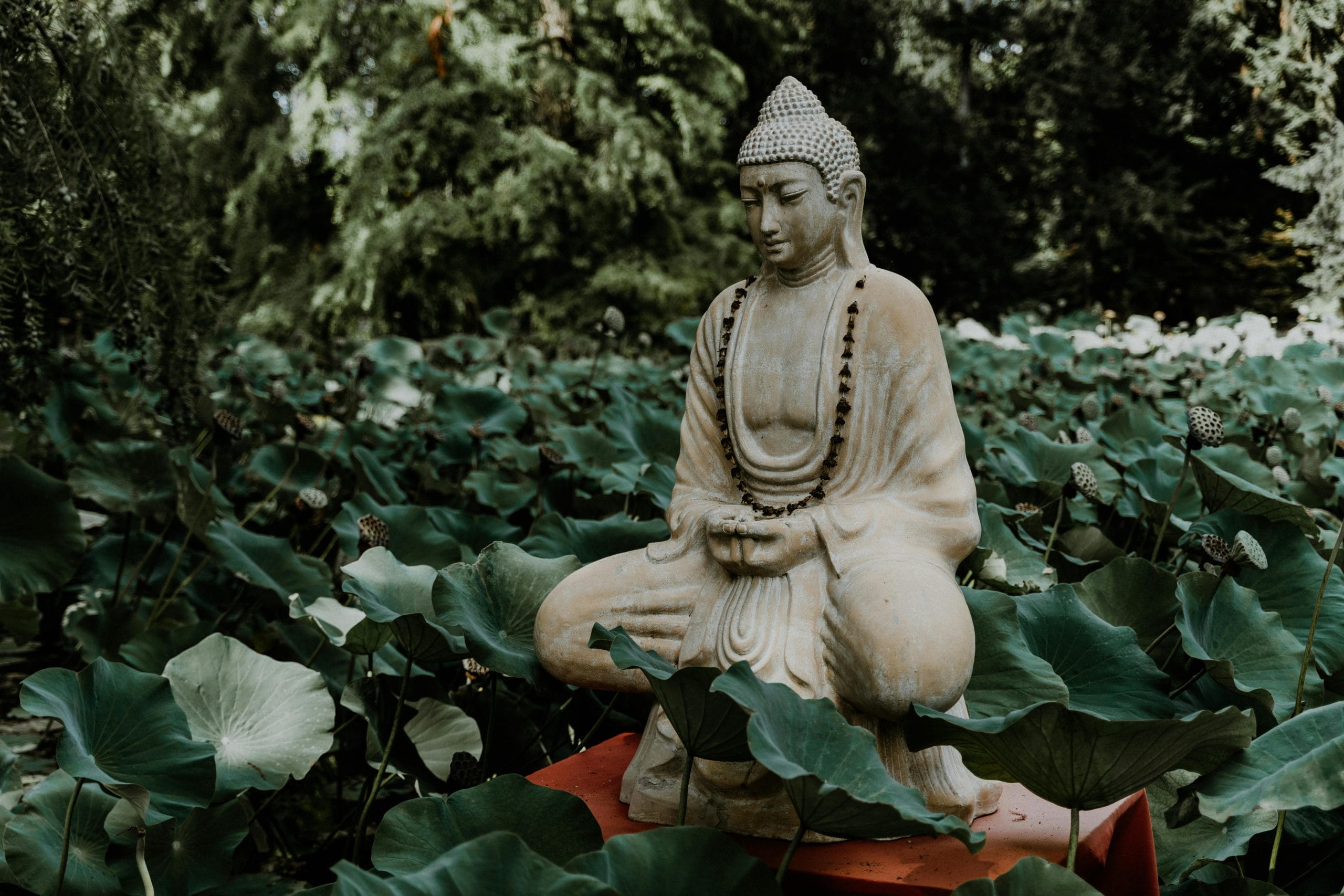
- Bowing: Bowing is a common ritual in Buddhism that symbolizes respect, humility, and gratitude. Practitioners may bow to a statue of the Buddha, a teacher, or even fellow practitioners. This gesture serves as a reminder of the qualities embodied by the Buddha, such as compassion and wisdom. Bowing is a way to express reverence and cultivate a humble mindset.
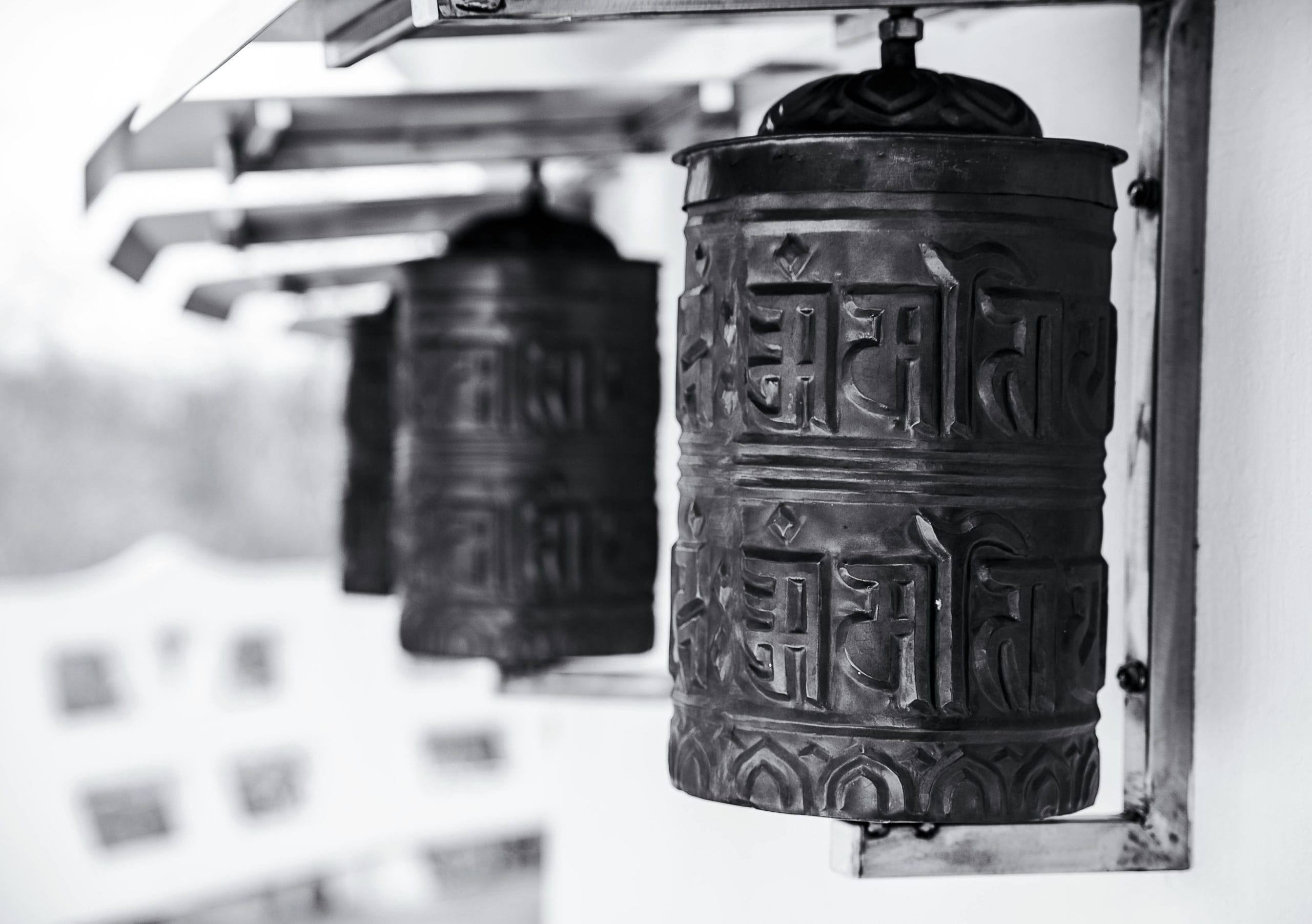
- Chanting: Chanting is practiced in many Buddhist traditions as a way to focus the mind, cultivate mindfulness, and reinforce teachings. Different traditions have unique chants, often in languages like Pali, Sanskrit, or Tibetan. For example, Theravada Buddhists may chant the Metta Sutta (Loving-Kindness Discourse), while Mahayana practitioners may chant the Heart Sutra. Chanting is not mandatory but can help practitioners connect with the teachings in a rhythmic and contemplative way.
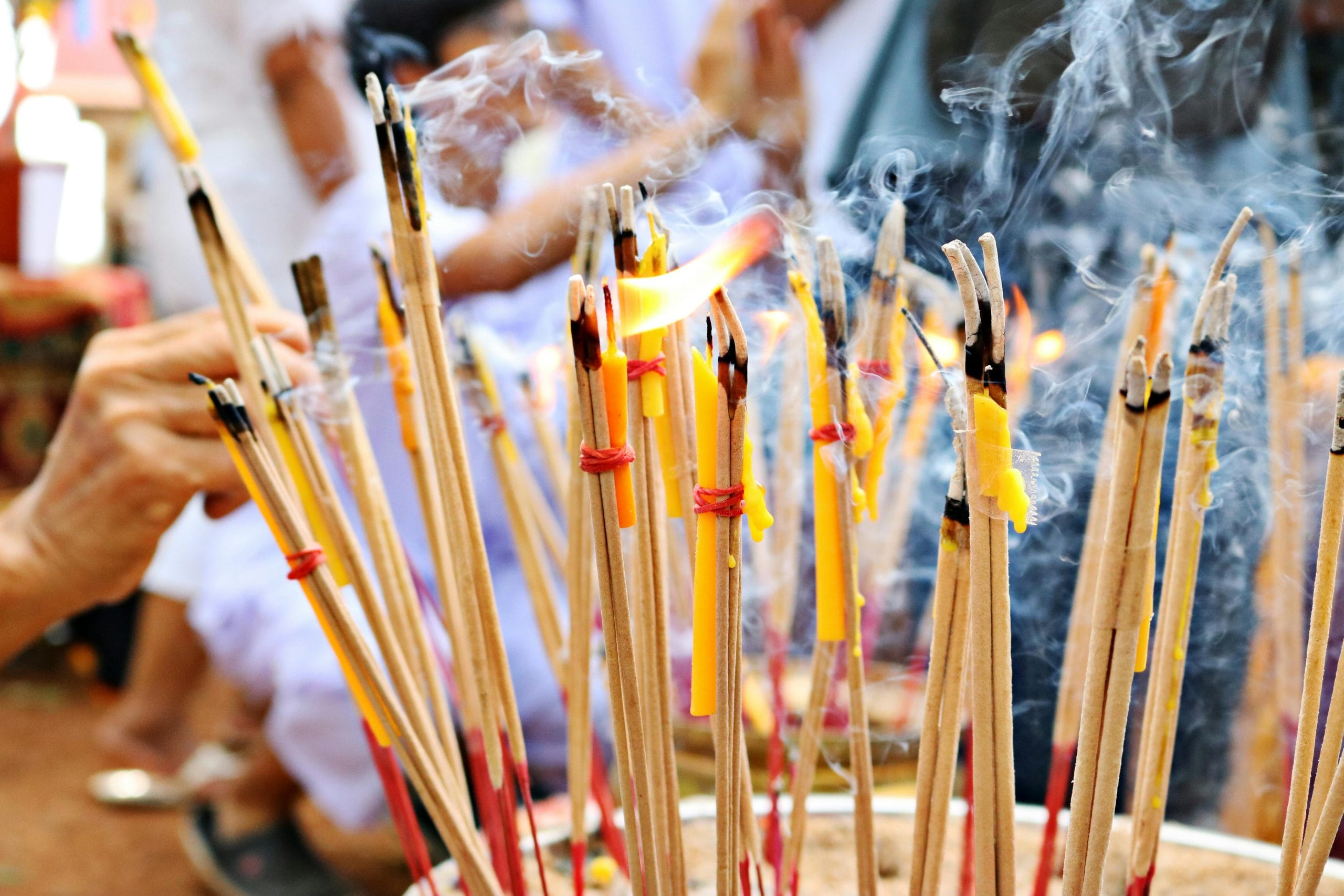
- Lighting Incense and Offering Flowers: Offering incense, flowers, or candles is a common ritual in Buddhist temples and homes. These offerings symbolize impermanence, as flowers wilt and incense burns away. By making offerings, practitioners remind themselves of the transient nature of life and cultivate gratitude. Offerings are a way to honor the Buddha and the teachings, representing respect and devotion.
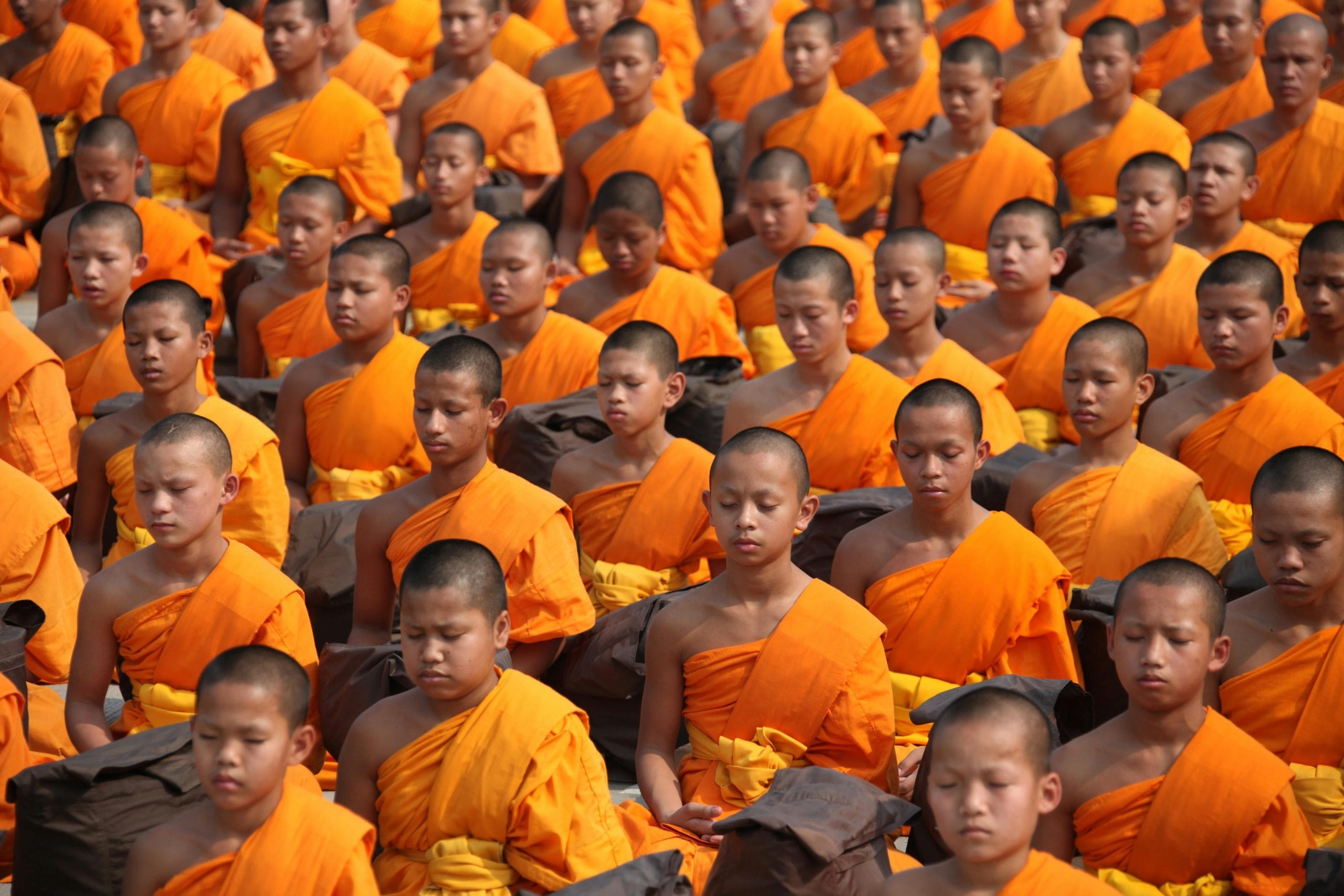
- Meditation: Although not always seen as a ritual, meditation is a fundamental part of Buddhist practice. Different forms of meditation, such as mindfulness, loving-kindness, and concentration meditation, are practiced across all traditions. Meditation helps practitioners develop inner peace, mindfulness, and wisdom, and is central to the path of enlightenment. Whether practiced daily or less frequently, meditation is a cornerstone of Buddhism and can be adapted to suit individual needs.
- Taking Refuge in the Three Jewels: Many Buddhists formally “take refuge” in the Three Jewels—the Buddha, the Dharma (teachings), and the Sangha (community). This act of refuge is often recited in a simple phrase, “I take refuge in the Buddha, the Dharma, and the Sangha,” and signifies a commitment to the Buddhist path. Taking refuge is a personal expression of dedication to the teachings and does not require a formal ceremony unless desired.
- Observing Uposatha (Observance Days): In some traditions, practitioners observe Uposatha, or Buddhist observance days, which occur based on the lunar calendar. On these days, practitioners may meditate, chant, and observe additional ethical precepts. Uposatha days serve as an opportunity for reflection, personal renewal, and rededication to the path. Observing Uposatha is optional, but it can provide a structured way to strengthen one’s commitment to Buddhism.
Do I Need to Perform These Rituals to Practice Buddhism?
While these rituals can enhance your practice, none of them are mandatory to follow Buddhism. The core of Buddhism revolves around developing mindfulness, compassion, wisdom, and ethical conduct. You can practice Buddhism by incorporating principles like mindfulness and compassion into your daily life, even if you choose not to perform specific rituals.
If you’re interested in exploring Buddhism without engaging in rituals, you may find it beneficial to focus on three foundational practices: meditation, mindfulness, and ethical living. These practices align with the core teachings of the Buddha and can be practiced independently, without the need for any specific rituals. They are accessible to everyone and provide a strong foundation for personal growth and inner peace.
Alternatives to Rituals: Practicing Buddhism in Daily Life
If rituals don’t resonate with you, there are numerous ways to embody Buddhist teachings in your everyday life. Buddhism emphasizes understanding and transformation from within, so even simple acts can bring you closer to its core principles.
- Practice Mindfulness: Mindfulness can be practiced anywhere, whether you’re at work, at home, or outdoors. Being fully present in each moment, observing your thoughts and feelings without attachment, is a form of meditation in itself. Mindfulness allows you to experience life more fully and reduce stress and reactivity.
- Cultivate Compassion: Compassion is central to Buddhism. Practicing compassion toward yourself and others can be as simple as being patient, forgiving, and understanding. You can practice compassionate acts in your daily interactions, helping create a more harmonious environment for yourself and those around you.
- Live Ethically: Buddhism promotes ethical living through the Five Precepts: refraining from harming others, stealing, lying, sexual misconduct, and intoxication. Following these precepts in daily life supports a peaceful and mindful way of living, free from actions that cause harm to yourself or others.
- Reflect on Impermanence: The concept of impermanence, or anicca, is central to Buddhist thought. By reflecting on the transient nature of life, you can develop resilience and gratitude. Accepting change can help you cope with challenges and appreciate the beauty of each moment.
- Engage in Personal Study: Reading Buddhist texts and teachings allows you to deepen your understanding of the path. Books by authors like Thich Nhat Hanh, the Dalai Lama, and Pema Chödrön offer insights into Buddhist principles and practices that you can apply to your life. Self-study provides a way to connect with Buddhism without needing formal rituals or ceremonies.
Finding Balance: Embracing or Letting Go of Rituals
If you’re open to exploring rituals, you may find that they deepen your sense of connection to the Buddhist path. However, if rituals don’t align with your preferences or beliefs, it’s entirely possible to practice Buddhism without them. The key is to remain authentic to your own intentions and needs, exploring what brings you peace, clarity, and compassion.
Some people find that a mix of rituals and personal practices works best, allowing them to experience the benefits of both. You may choose to practice mindfulness, meditation, and ethical living daily, while occasionally visiting a temple or participating in a community ritual for inspiration and support.
Whether you choose to perform specific rituals or simply integrate Buddhist values into your life, the path to inner peace, compassion, and wisdom is available to all. The Buddha’s teachings are flexible and adaptable, allowing each individual to find their own way forward. By focusing on mindfulness, compassion, and ethical living, you can cultivate a life that resonates with the principles of Buddhism, even without formal rituals.