


Which Branch of Buddhism Should I Follow?
If you’re interested in exploring Buddhism, you may be wondering which branch to follow. Buddhism is a diverse tradition with several branches, each offering unique practices, philosophies, and approaches to spiritual growth. While all branches are rooted in the teachings of the Buddha, their paths can vary significantly, reflecting different cultural and historical influences. The three main branches of Buddhism—Theravada, Mahayana, and Vajrayana—offer different approaches to practicing Buddhism. This guide will help you understand each branch, what it represents, and how to determine which path resonates with you.
Understanding the Three Main Branches of Buddhism
Before choosing a branch of Buddhism, it’s helpful to understand the distinctions between the three main branches: Theravada, Mahayana, and Vajrayana. Each branch offers a unique approach to the teachings, influenced by centuries of development and diverse cultural contexts.
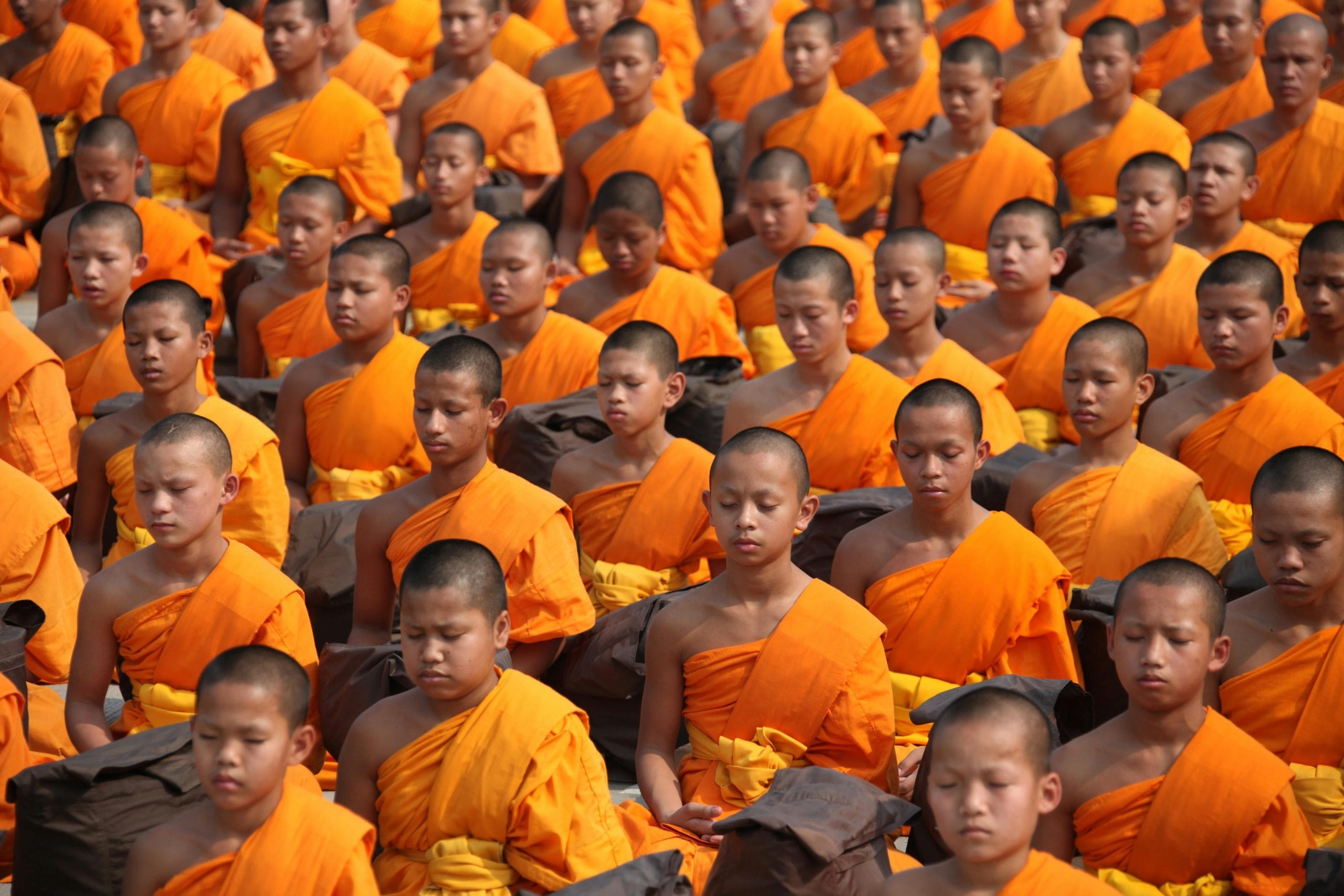
- Theravada Buddhism: Also known as the “Teaching of the Elders,” Theravada Buddhism is considered one of the oldest schools. It primarily focuses on the original teachings of the Buddha, emphasizing personal enlightenment and inner wisdom. Theravada Buddhism places great importance on meditation, mindfulness, and the study of the Buddha’s words as recorded in the Pali Canon. Practitioners often aim for personal liberation and enlightenment, which is achieved through individual practice and ethical conduct. Theravada Buddhism is prominent in Southeast Asia, especially in countries like Thailand, Sri Lanka, and Myanmar.
- Mahayana Buddhism: Mahayana, or the “Great Vehicle,” is one of the largest branches of Buddhism, encompassing a variety of schools and practices. Mahayana emphasizes the ideal of the bodhisattva, someone who seeks enlightenment not just for themselves but also to help all beings attain freedom from suffering. Mahayana Buddhism encourages compassion and selflessness, teaching that individuals should aim to become bodhisattvas dedicated to benefiting others. This branch includes many schools, such as Zen, Pure Land, and Nichiren Buddhism, each with unique practices and teachings. Mahayana Buddhism is most common in East Asia, including China, Japan, Korea, and Vietnam.
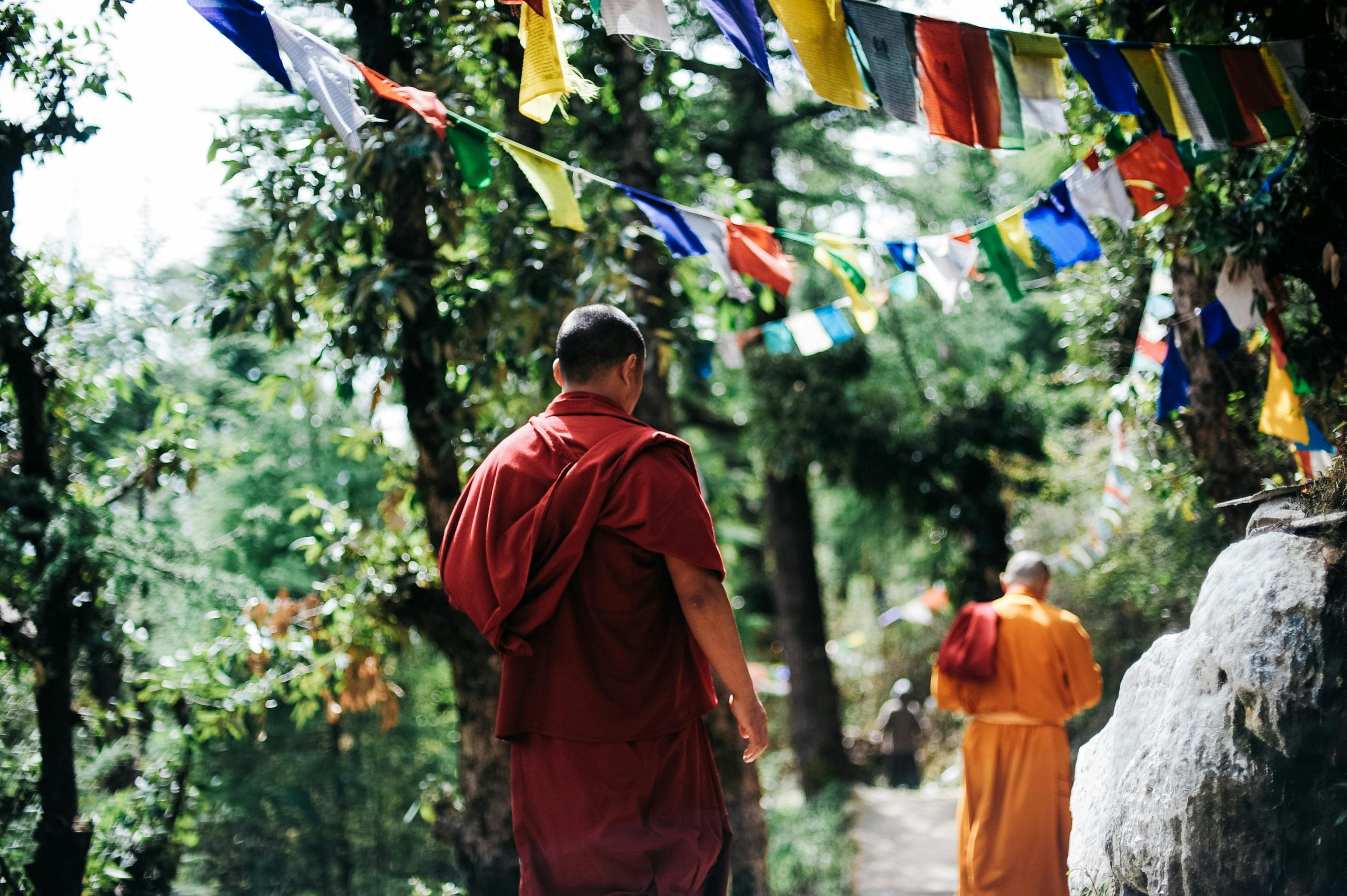
- Vajrayana Buddhism: Vajrayana, or the “Diamond Vehicle,” is a branch of Buddhism often associated with Tibetan Buddhism. This form of Buddhism combines elements of Mahayana philosophy with unique tantric practices, rituals, and visualizations aimed at accelerating spiritual growth. Vajrayana practitioners use mantras, mudras, mandalas, and other symbolic rituals to transform negative emotions and develop wisdom. Vajrayana is known for its highly ritualized practices and reliance on guidance from experienced teachers, or lamas. Vajrayana Buddhism is particularly prominent in Tibet, Bhutan, and parts of Nepal and Mongolia.
Key Differences Between the Branches
While all three branches share the core teachings of the Buddha, they emphasize different aspects of the path:
- Theravada focuses on individual enlightenment, primarily through meditation and adherence to ethical principles. It encourages deep personal study of the teachings and is often described as an introspective approach.
- Mahayana emphasizes compassion, the bodhisattva ideal, and working toward enlightenment for the benefit of all beings. It encourages active engagement with others and emphasizes interconnectedness.
- Vajrayana incorporates ritual and visualization practices, teaching that enlightenment can be achieved in a single lifetime. It relies heavily on teacher-student relationships and sacred practices to guide practitioners along the path.
Understanding these differences can help you identify which approach aligns with your interests, beliefs, and goals in practicing Buddhism.
Choosing a Branch: Questions to Consider
Deciding which branch of Buddhism to follow is a personal choice. Each person’s journey is unique, and there’s no “right” or “wrong” branch. Here are some questions that may help you decide which branch resonates most with you:
- What Draws You to Buddhism? Reflect on your reasons for exploring Buddhism. Are you seeking inner peace, ethical guidance, or ways to help others? If you’re drawn to the teachings of meditation and personal enlightenment, Theravada may be a good fit. If compassion and a commitment to helping others resonate with you, Mahayana’s bodhisattva path might align with your goals. If you’re interested in transformative rituals and visualization, Vajrayana could be an exciting path.
- What Is Your Comfort Level with Rituals and Symbols? Different branches incorporate rituals and symbols to varying degrees. If you prefer a minimalist approach to practice, you may appreciate the simplicity of Theravada or Zen, a school within Mahayana. However, if you’re drawn to symbolic rituals and complex teachings, Vajrayana’s tantric practices might be more engaging.
- Do You Prefer Independent or Guided Practice? In Theravada, practitioners often study texts independently, relying on their own practice and insight. Mahayana and Vajrayana, especially the latter, place a stronger emphasis on the relationship between student and teacher. If you’re seeking close guidance and mentorship, Vajrayana may offer the support you desire. If you prefer independent study, Theravada or Mahayana could be suitable.
- Are You Interested in a Specific Tradition? Buddhism has various schools within each branch, such as Zen and Pure Land in Mahayana, or Tibetan Buddhism within Vajrayana. Exploring these individual schools may help you find practices and teachings that resonate with you. For example, Zen Buddhism emphasizes mindfulness and simplicity, while Pure Land Buddhism incorporates chanting and devotional practices.
- Are You Open to Incorporating Compassion as a Core Practice? Mahayana Buddhism places strong emphasis on cultivating compassion through the bodhisattva path. If you’re inspired by the idea of using your practice to benefit others, this approach could resonate with you. Compassion is a universal value in Buddhism, but Mahayana places unique focus on this aspect, encouraging practitioners to view their journey as a way to uplift all beings.
Exploring Each Branch Through Study and Practice
If you’re still unsure about which branch to follow, it’s entirely okay to explore different branches and see which feels right. Buddhism encourages experiential understanding, so trying out different approaches can be a helpful way to discover which practices resonate most with you. Attending meditation sessions, reading foundational texts from each branch, and speaking with practitioners can provide insight into each tradition’s values and practices.
Many people begin their Buddhist journey with general practices, such as mindfulness meditation, before committing to a specific path. Basic meditation practices, like mindfulness and loving-kindness, are common across all branches and provide a foundation that can support your exploration.
Finding a Community and Teacher
Once you’ve explored the different branches and feel a connection to a particular path, seeking a community or teacher can enhance your practice. Many cities have Buddhist centers or meditation groups representing different branches, and many offer beginner classes, retreats, and opportunities to speak with experienced practitioners.
Having a teacher can be especially helpful if you choose a branch like Vajrayana, where guidance is an integral part of the practice. Teachers can offer personalized insights, answer questions, and help you navigate challenges on the path. Engaging with a community also provides a sense of support, accountability, and shared growth.
Trusting Your Intuition and Personal Journey
Ultimately, the decision about which branch of Buddhism to follow is a personal one. There is no single “right” choice, and each person’s journey is unique. Buddhism is a path of self-discovery, and part of that journey is exploring different teachings to see what resonates with your heart and mind. It’s okay to take time to learn, experiment with practices, and seek a path that feels meaningful to you.
Each branch offers valuable insights and practices, and Buddhism welcomes individuals from all backgrounds, allowing you to learn and grow at your own pace. Trust your intuition, remain open to the process, and know that your journey will unfold in ways that align with your own spiritual growth and understanding.
By exploring the teachings of Theravada, Mahayana, and Vajrayana, you’ll find a path that speaks to your interests, values, and aspirations. Whether you choose a specific branch or incorporate elements from each, Buddhism offers a flexible, compassionate path that can enrich your life and guide you toward inner peace and wisdom.